News Summary
- Fred Vasseur said Ferrari’s tyre-temperature problems can cost approximately 0.5 seconds, outweighing the gains normally delivered by aerodynamic upgrades.
- Charles Leclerc and Lewis Hamilton struggled with inconsistent grip at Interlagos, finishing eighth and ninth after a difficult São Paulo Grand Prix.
- Ferrari also identified insufficient straight-line speed and acknowledged that Hamilton’s early switch to slick tyres may have been too aggressive.
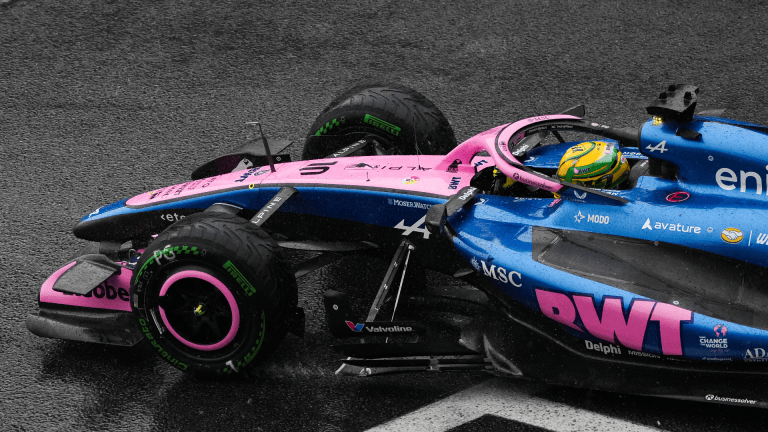
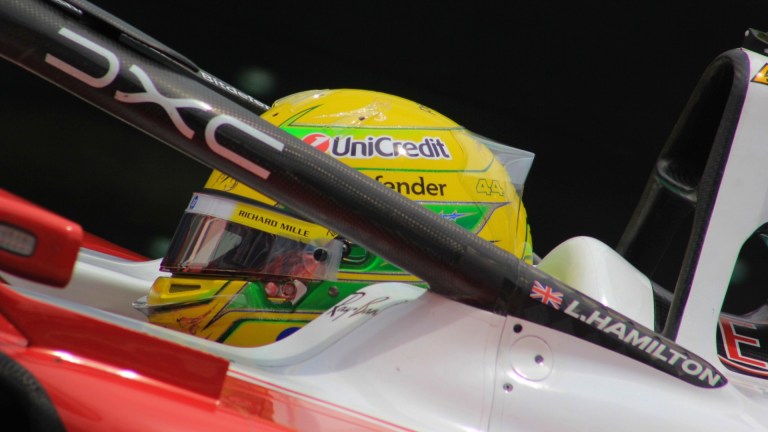
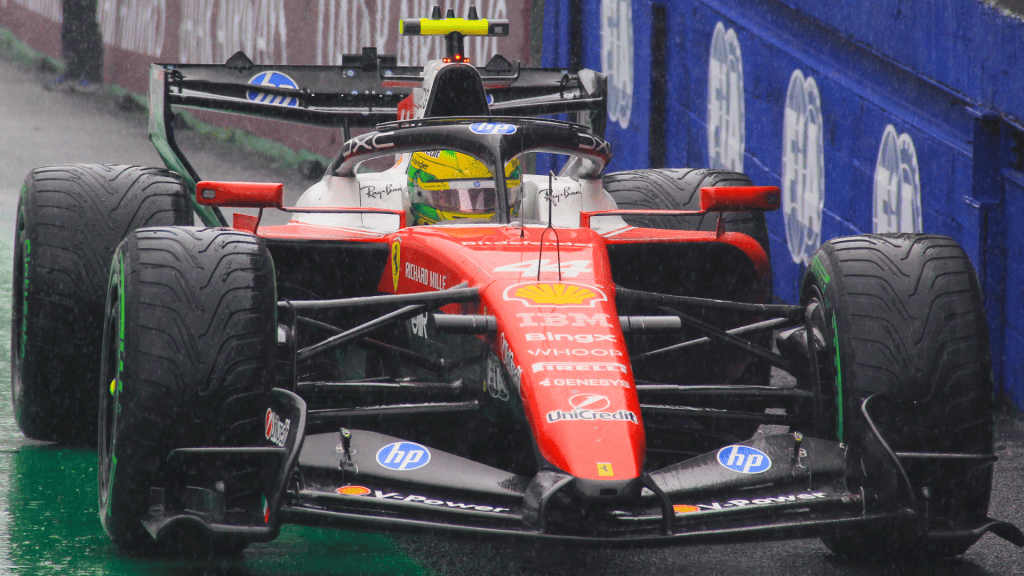
Ferrari team principal Fred Vasseur admitted that the team’s difficulties with tyre temperature can cost approximately half a second in lap time, a deficit far greater than the gains typically delivered by aerodynamic upgrades. The explanation followed another disappointing Formula 1 weekend in Brazil, where Lewis Hamilton and Charles Leclerc finished ninth and eighth despite showing competitive pace at different stages.
Ferrari arrived at Interlagos hoping to build on its stronger performance in Mexico City, where Hamilton had secured pole position and the team had challenged near the front. Instead, both drivers struggled to keep their tyres within the correct operating window as changing weather conditions repeatedly altered the level of grip.
Vasseur believes the problem was particularly damaging because it affected Ferrari’s ability to exploit the performance already available from its car. The team could occasionally match its rivals, but the advantage disappeared whenever tyre temperatures moved outside the ideal range.
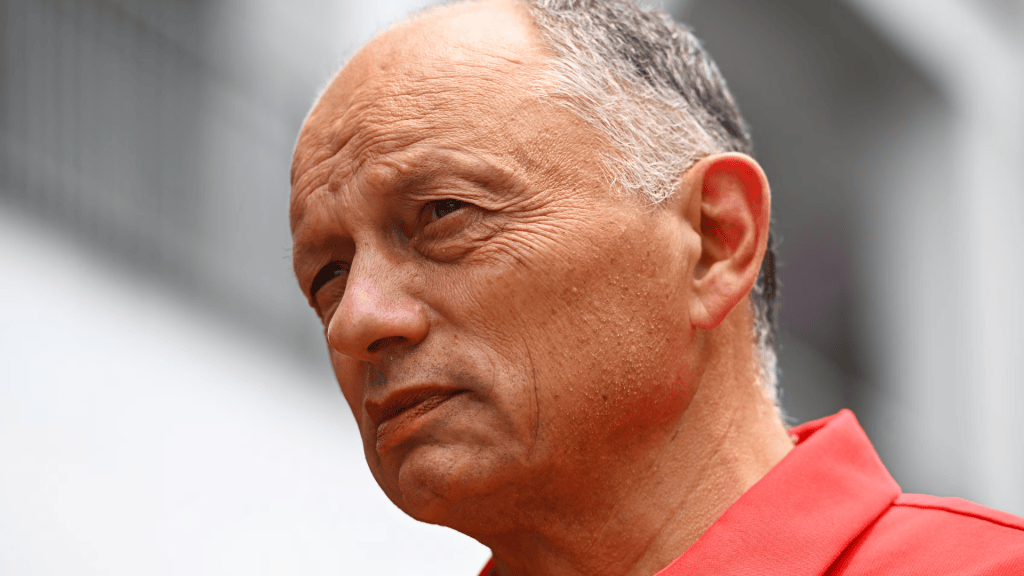
Vasseur says tyre problems outweigh Ferrari upgrades
Ferrari’s principal difficulty was not necessarily a lack of aerodynamic development. According to Vasseur, even a competitive car becomes ineffective when the tyres are not operating correctly.
The Frenchman explained that the performance loss associated with tyre temperature can be considerably larger than the improvements teams usually gain from individual upgrades.
“If you are not in the right spot with the tyres, you are nowhere,” Vasseur said.
He estimated that the difference could reach half a second, whereas aerodynamic updates and circuit-specific characteristics generally account for smaller margins.
That assessment helps explain Ferrari’s inconsistent performance throughout the Brazilian weekend. The SF-26 was capable of competitive lap times in certain conditions, yet struggled badly when the circuit became colder or the tyres failed to reach their optimal temperature.
The situation was especially frustrating because the problems affected both intermediate and slick compounds.
Vasseur highlighted Leclerc’s final stint on soft tyres as an example. The Monegasque initially struggled for pace but became significantly faster towards the end of the run, approaching the speed of drivers using much fresher rubber.
Rather than identifying a fundamental lack of performance throughout the race, Ferrari’s analysis suggested that its competitiveness depended heavily on maintaining a relatively narrow tyre-temperature window.
Hamilton and Leclerc struggle after grid penalties
Ferrari’s weekend was complicated further by power-unit penalties that left both drivers starting outside the top ten.
Leclerc qualified fourth but dropped to 14th on the grid after receiving a ten-place penalty. Hamilton faced a similar sanction and an additional engine-related problem during final practice, eventually starting 20th.
The seven-time world champion produced an impressive opening lap, gaining 11 positions as the field negotiated the wet conditions.
However, his recovery quickly stalled.
Hamilton struggled to maintain grip on intermediate tyres and became increasingly frustrated with his inability to make progress through traffic. He subsequently requested a switch to slicks as the circuit began drying.
Ferrari responded by bringing him into the pits earlier than most of his rivals, hoping the alternative strategy would create an opportunity to recover positions.
The gamble failed to deliver the expected advantage.
Hamilton continued struggling with tyre temperature and later spun when rain returned, although he recovered to finish ninth.
His disappointment was evident afterwards, when he described his São Paulo weekend as devastating while congratulating Mercedes on the constructors’ championship.
Leclerc experienced similar difficulties during the opening stint but improved considerably as conditions changed. He eventually crossed the line seventh before a five-second penalty for contact with Liam Lawson dropped him to eighth.
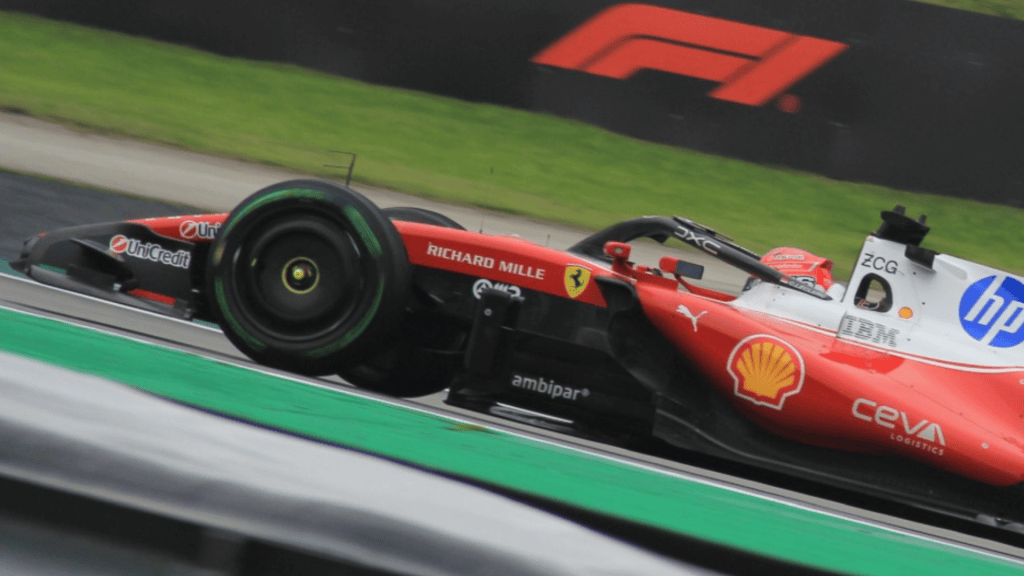
Ferrari admits Hamilton’s early tyre gamble may have been a mistake
Vasseur acknowledged that Ferrari might have been too aggressive when deciding to switch Hamilton from intermediates to slick tyres.
The team was attempting to compensate for its poor starting position and the difficulty of overtaking on a circuit where the drying racing line remained narrow.
However, the decision exposed Hamilton to conditions in which the slick tyres could not immediately generate sufficient grip.
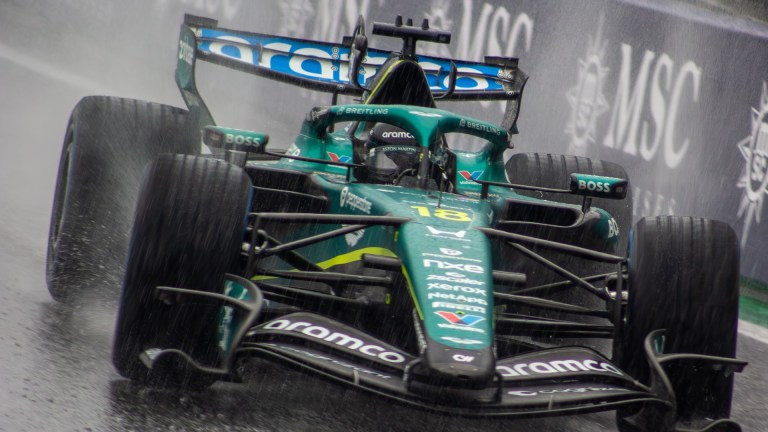
Vasseur pointed to Fernando Alonso’s performance on intermediates during the following lap as evidence that Ferrari may have acted prematurely.
The admission was significant because Ferrari’s problems extended beyond outright car performance. Its strategic choices were also influenced by the need to recover from the back of the field.
With limited opportunities to overtake, the team took additional risks in the hope of gaining positions through pit-stop timing.
The approach was understandable given Hamilton’s starting position, but it ultimately failed to compensate for the underlying tyre-temperature problem.
Straight-line speed adds to Ferrari’s difficulties
Tyre management was not Ferrari’s only weakness at Interlagos.
Vasseur also acknowledged that the team continued to struggle with straight-line speed, making overtaking particularly difficult when drivers were trapped behind slower cars.
The problem became more pronounced as the circuit dried because competitors were increasingly forced to follow the same narrow racing line.
Ferrari therefore faced two interconnected limitations: insufficient grip when tyre temperatures were outside the ideal window and difficulty passing other cars even when its pace improved.
Those weaknesses prevented Hamilton and Leclerc from exploiting opportunities created by the changing conditions.
The result was especially disappointing after Ferrari had shown greater competitiveness in Mexico, where Hamilton’s pole position suggested that the team had made progress.
Mercedes, meanwhile, completed its championship double in Brazil, adding the constructors’ title to the drivers’ championship already secured by Andrea Kimi Antonelli.
Ferrari finished the weekend with just 6 points, while McLaren and Red Bull both collected substantially larger totals.
Las Vegas could expose the same Ferrari weakness
Ferrari now faces another potentially difficult challenge at the Las Vegas Grand Prix, where low temperatures and long straights can make tyre preparation particularly demanding.
Vasseur acknowledged that the team must improve its understanding of the conditions that caused its performance to fluctuate so dramatically in Brazil.
The concern is not unique to Ferrari.
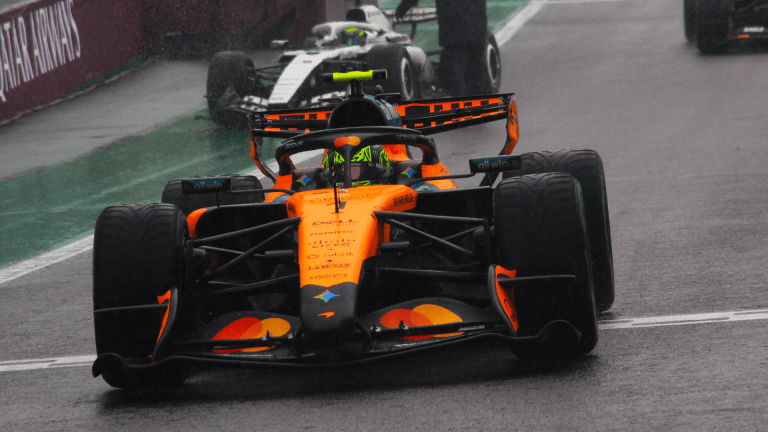
McLaren’s Lando Norris has already warned that the 2026 tyres could become extremely difficult to manage in the cold conditions expected in Las Vegas.
However, Ferrari’s experience at Interlagos suggests that it may be especially vulnerable if the tyres fail to reach their ideal temperature quickly enough.
McLaren has also confirmed further aerodynamic developments for Las Vegas following its São Paulo victory, increasing the pressure on Ferrari to address its existing weaknesses rather than relying exclusively on new components.
The next round takes place on November 19–21, with three races remaining in the 2026 season.
For Ferrari, the immediate challenge is to understand why a car capable of fighting near the front in one set of conditions can lose so much performance when temperatures change.
GRANDE PRÊMIO is following Ferrari’s preparations for the Las Vegas Grand Prix and the final rounds of the 2026 season, with breaking news and technical analysis in its Formula 1 section.