News Summary
- Andrea Stella believes Formula 1 must carefully assess the record 352 overtakes at Las Vegas before drawing conclusions about its current regulations.
- The McLaren boss wants to understand whether Lando Norris and Oscar Piastri enjoyed the race or considered some of the enormous speed differences potentially dangerous.
- Stella has cautioned against abandoning the planned 2030 engine overhaul because of the entertainment produced by a single Grand Prix.
Andrea Stella has urged Formula 1 to avoid making hasty decisions about its future technical regulations after the Las Vegas Grand Prix produced an unprecedented number of overtakes and one of the most unpredictable races of the 2026 season.
The McLaren team principal acknowledged the entertainment generated by the 50-lap event, which featured 352 overtakes and 35 changes of leadership, but argued that the spectacle does not automatically prove Formula 1 has found the ideal racing formula.
Stella believes the championship must evaluate how the current energy-management regulations affect competition and safety before deciding whether the planned 2030 changes should be reconsidered.
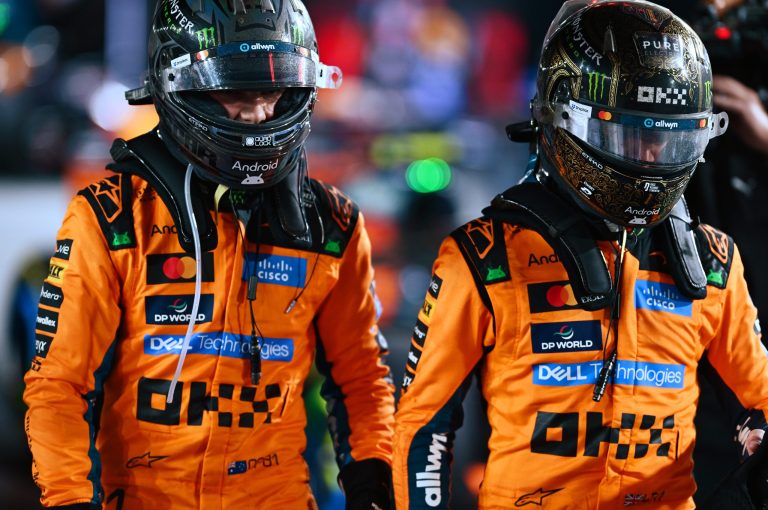
Speaking after Lando Norris finished second and Oscar Piastri recovered from 17th to third, Stella rejected the idea that such an unusual race could provide a simple answer to the sport’s technical future.
“This race gave us a lot of information that we cannot ignore,” Stella told Motorsport.com.
The Italian explained that he wanted to speak directly with his drivers to understand whether the constant overtaking had created an enjoyable contest or situations that felt unnecessarily risky.
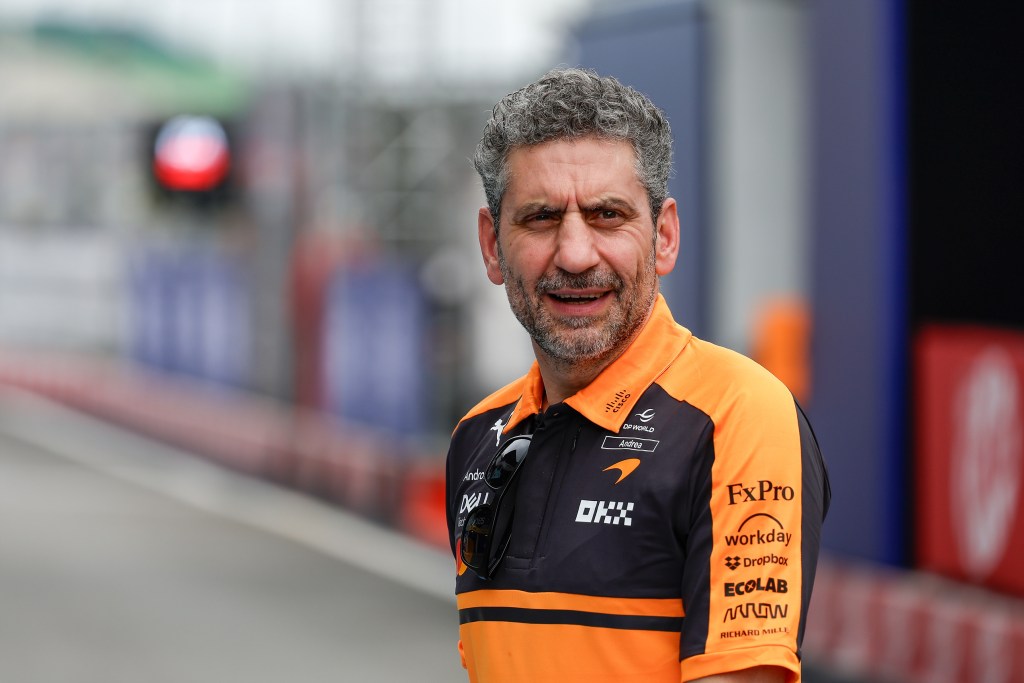
Stella questions whether 352 overtakes represent better racing
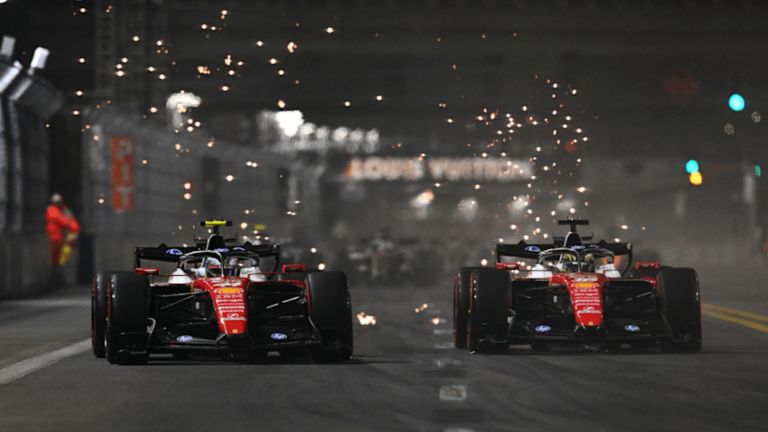
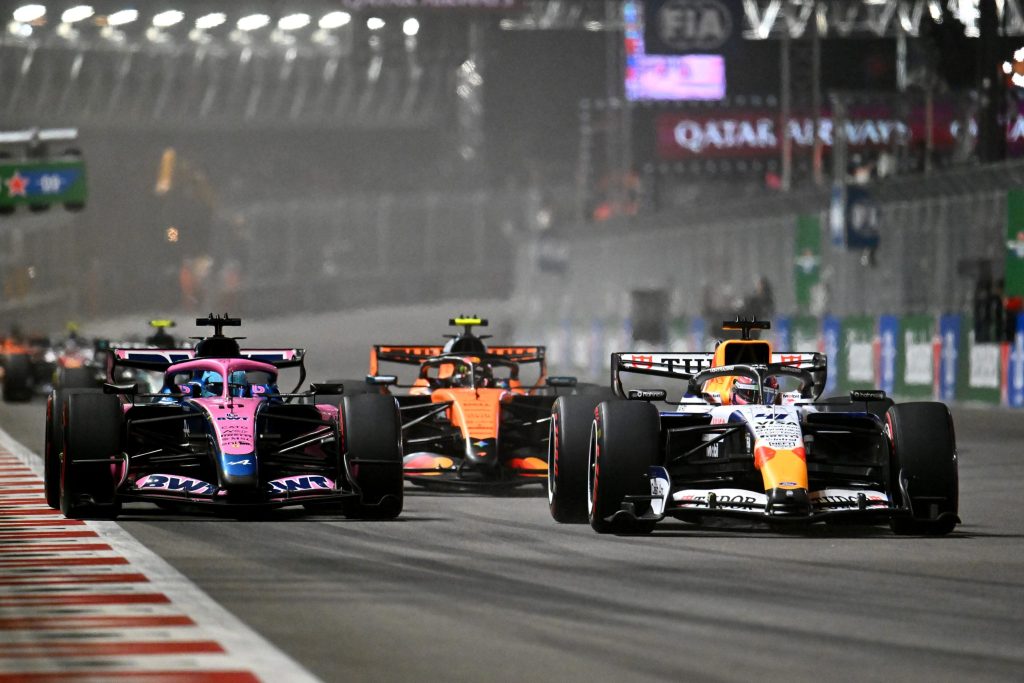
The Las Vegas Grand Prix produced almost twice as many overtakes as the previous record of 186, established at Zandvoort in 2023.
The extraordinary figure reflected the unusual characteristics of Formula 1’s current power units, which require drivers to manage electrical energy deployment throughout the race.
At Las Vegas, long straights and substantial slipstreaming opportunities allowed cars to repeatedly exchange positions.
Drivers could move into the lead before becoming vulnerable to an immediate counterattack as their electrical energy levels changed.
The result was an entertaining spectacle, but one that raised questions about how much of the action resulted from conventional driving skill.
Stella argued that overtaking statistics alone should not determine whether the regulations are successful.
He also acknowledged that the significant speed differences created by energy deployment could have safety implications.
For McLaren, the important question is not simply how many overtakes occurred, but whether the drivers were able to compete in a predictable and sufficiently safe environment.
McLaren boss urges F1 to resist polarised reactions
The debate has become particularly relevant because Formula 1 is already discussing a substantial technical overhaul for 2030.
The FIA and manufacturers have reached an agreement in principle on a simpler 2.1-litre turbocharged V8 engine formula, with less reliance on electrical power.
However, the extraordinary Las Vegas race has prompted questions about whether the sport should reconsider its plans.
Stella believes the decision must be based on technical evidence rather than immediate reactions.
“My main recommendation is that we remain kind of analytical,” he said.
The McLaren team principal warned that the modern pressure to express immediate and strongly divided opinions can make it difficult to evaluate complicated sporting questions properly.
He also suggested that Formula 1 would be making a mistake if it abandoned the planned regulations simply because one race produced an exceptional spectacle.
The final framework is expected to be considered by the FIA World Motor Sport Council in December.

Verstappen criticises artificial racing while Norris questions overtakes
The Las Vegas Grand Prix produced contrasting reactions from drivers.
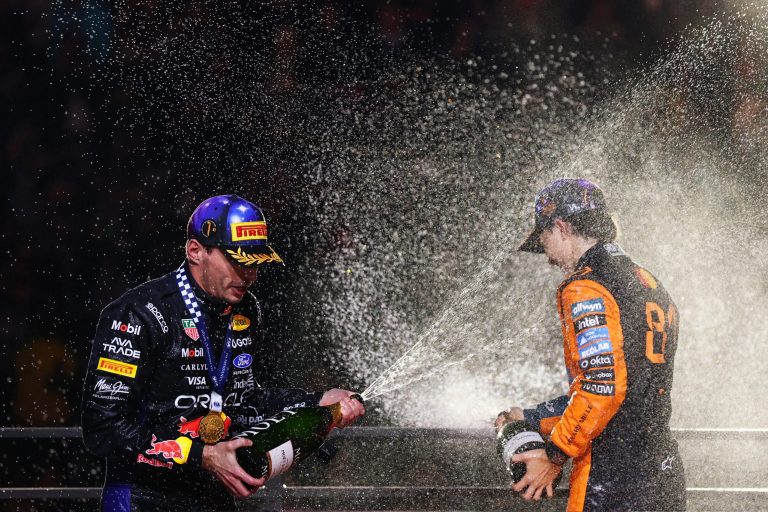
Max Verstappen compared the repeated exchanges of position to Mario Kart, arguing that remaining behind another car could sometimes provide a significant advantage.
The Red Bull driver has repeatedly called for a reduction in the importance of electrical energy management.
As GRANDE PRÊMIO reported following Verstappen’s criticism, the Dutchman believes the championship needs a more conventional balance between combustion and electrical power.
Norris also questioned whether some overtaking manoeuvres genuinely reflected superior racing performance.
The McLaren driver highlighted situations in which cars approached rivals with closing-speed differences of 20 to 30 km/h.
According to Norris, the electrical boost available to one car could sometimes create an advantage so large that the subsequent overtake required relatively little conventional wheel-to-wheel racing.
Other drivers were more positive about the spectacle.
Carlos Sainz welcomed the competitive exchanges, while Alexander Albon suggested that occasional races featuring this style of competition could coexist with circuits where outright pace remains more important.
Las Vegas exposes McLaren’s technical challenges
McLaren experienced both the benefits and the complications of the unusual racing dynamics.
Norris recovered from difficulties early in the race to finish just 0.639 seconds behind winner Verstappen.
Piastri climbed 14 positions to complete the podium.
The result was particularly impressive because the team had struggled with several technical limitations.
Stella subsequently identified excessive aerodynamic drag, an unsuitable eighth-gear ratio and difficulties optimising electrical energy deployment as factors that compromised the MCL40’s performance.
As GRANDE PRÊMIO detailed in its analysis of McLaren’s recovery, the drivers and engineers adapted their approach during the race to overcome those weaknesses.
The double podium also reduced Red Bull’s advantage in the Constructors’ Championship to just nine points.
McLaren therefore approaches Qatar with an opportunity to move into third place, as explained in the analysis of the final championship battle.
FAQ
Why does Andrea Stella want caution over Formula 1’s 2030 regulations?
Stella believes the extraordinary number of overtakes in Las Vegas must be evaluated alongside driver feedback, safety concerns and technical evidence before decisions are made.
How many overtakes occurred at the Las Vegas Grand Prix?
The 2026 race featured 352 overtakes and 35 changes of leadership, setting a new Formula 1 record.
Has Formula 1 approved the 2030 V8 engine regulations?
The FIA and manufacturers have agreed on a broad framework for 2.1-litre turbocharged V8 engines, but final approval is still required.