Key takeaways
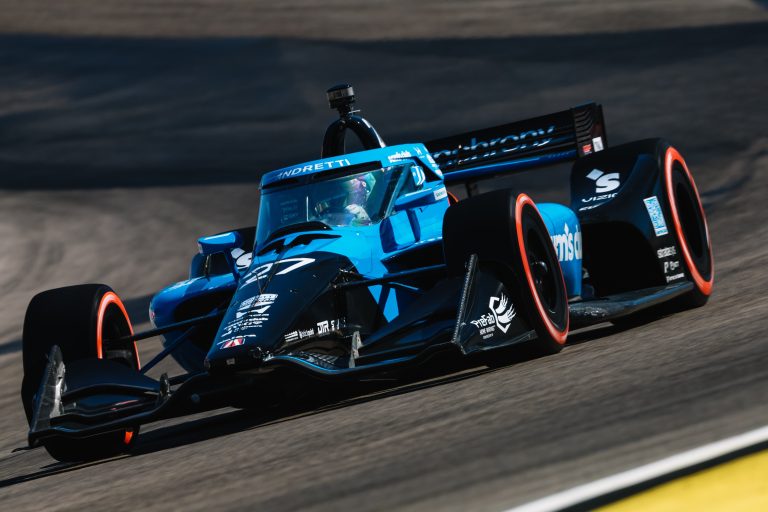
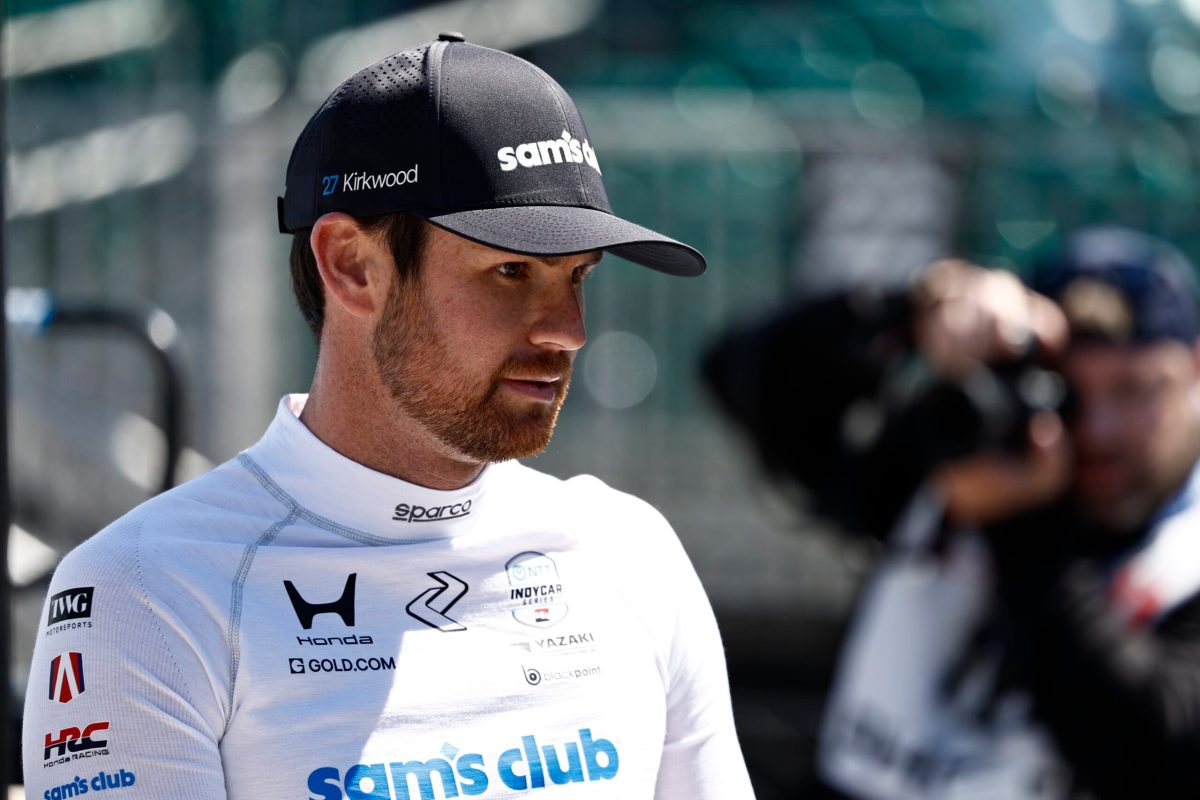
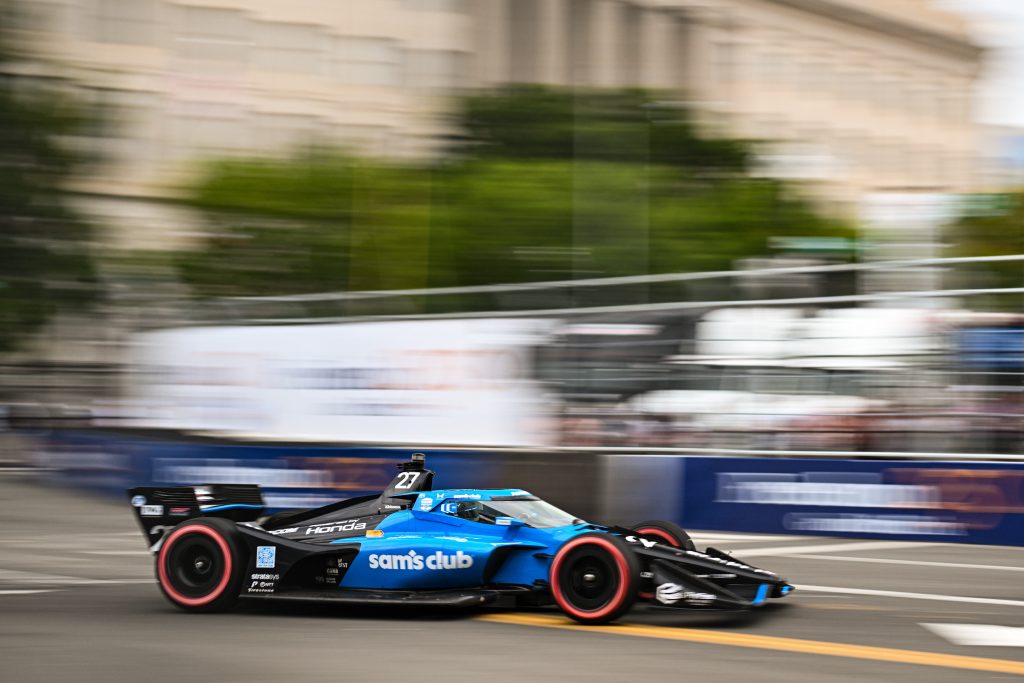
- Masterclass on street circuits: Kyle Kirkwood produced an emphatic performance on the streets of Washington, D.C., leading 128 of 147 laps to take his second victory of the 2026 NTT IndyCar Series season.
- Championship gap narrows: Exploiting a disastrous afternoon for points leader Álex Palou—who incurred a pit penalty and ultimately crashed out to finish 20th—Kirkwood cut the Spaniard’s championship lead from 133 to 91 points with three races remaining.
- Realizing potential: The victory highlighted Kirkwood’s ceiling as a legitimate championship challenger to Palou, while underscoring the need for greater operational and driving consistency across an entire season.
After Saturday’s slip-up and symptoms of “Palou-phobia” in qualifying, Kyle Kirkwood wrote a completely different story on Sunday. He took a risk in Turn 1, seized the lead, and went on to control the race—even with Álex Palou right on his tail during the opening stint. It was a very secure win on the streets of Washington, confirming the sensation that the American could have done much more in the title fight.
Kirkwood is a driver who was tailored to race in IndyCar since the junior categories, where he caused quite a stir. He was the first to become champion in USF2000, Pro 2000, and Indy NXT—an achievement made even more impressive given he was virtually sidelined in 2020, when the final step before IndyCar was canceled due to the COVID-19 pandemic.
Precisely because he developed with IndyCar in mind, Kirkwood always displayed great speed in the series—even during his days at Foyt—but took time to find consistency. From 2025 to 2026, he showed clear progress: reaching 13 top-10s in 15 rounds and nine top-five finishes. It is a record that confirms his leap forward, but it also helps explain the feeling that something was still missing to turn the championship into a true contest.
Granted, Andretti—despite being one of the major powerhouses on the grid—still stumbles in certain areas, particularly pit stops. On strategy, however, the team has taken a step forward under Ron Ruzewski’s leadership. Therefore, the entire responsibility cannot be placed solely on Kirkwood’s shoulders. Yet, more performances like the one in Washington—and also in Arlington—were missing to force Palou to endure far greater pressure throughout the campaign.
Because the feeling for several rounds now—if not years—is that the IndyCar title race is merely waiting for the mathematics to confirm what seems inevitable: Palou as champion. And the curious part is that Kirkwood showed in Washington that he had the tools to make that journey much more complicated.
It is not necessary to repeat the peak of Washington in every single race. Expecting that would be unrealistic. What Kirkwood needs is to leave bland performances behind, such as those in Indianapolis and Nashville—where he started from pole position and finished only tenth—while avoiding mistakes like the crash in Markham. The American does not need to dominate every round, but he must stop squandering the opportunities that present themselves.
The victory in Washington also carried an important element: Kirkwood capitalized on a dreadful day for Palou. The Spaniard hit Mick Schumacher’s tire during his first pit stop, had to serve a drive-through penalty, and later made a glaring error by clipping the curb at Turn 5 and hitting the wall. He finished 20th, three laps down on the winner.
The gap fell from 133 to 91 points after the race, and the title fight remains mathematically open. With 162 points still on the table, however, Kirkwood’s mission remains extremely difficult. With two races in Milwaukee and one at Laguna Seca ahead, Palou simply needs to manage his advantage. If the Spaniard finishes ninth in the three remaining events, for example, he will score enough points to lock up the title. He can also secure the championship in the first oval race at West Allis if he extends his lead to 108 points—or in the second race if he holds a 54-point cushion over the #27 car.
In short: Washington did not change the championship favorite. What it changed, perhaps, was the perception of what Kirkwood could have achieved in this campaign.
Perhaps the victory in Washington will serve precisely to remind Kirkwood of the driver he truly is. Maybe that is the main takeaway Washington leaves for 2027. Kirkwood does not need to pick fights with Palou off the track, much less keep repeating—as he did mid-season—that the Spaniard’s form “isn’t that great.” He can keep those kinds of comments to himself.
The best answer, after all, is delivered on track. If he can convert the speed shown in Washington into an entire season of consistency, then Kirkwood will truly be able to do what he hasn’t yet managed in 2026: genuinely challenge Palou for the IndyCar title—and not let the Spaniard make fools of the rest of the grid, as the American put it.