News Summary
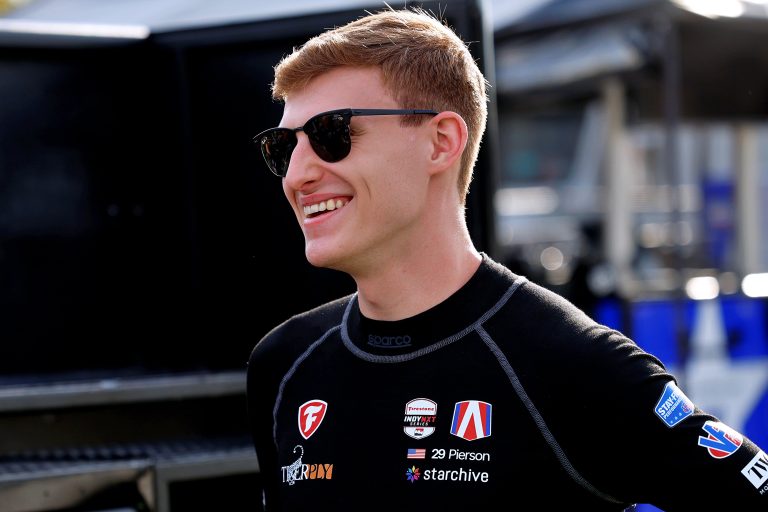
- Alex Dunne is set to test an IndyCar with Dale Coyne Racing at Barber Motorsports Park, as the team evaluates candidates for its vacant 2027 seats.
- The Irish driver is currently third in Formula 2 and has emerged as a contender for the team’s #18 Honda following Dennis Hauger’s departure to AJ Foyt Racing.
- Dale Coyne Racing has yet to confirm either of its 2027 drivers, with Indy NXT champion Nikita Johnson also linked to the team and several other candidates still competing for opportunities.
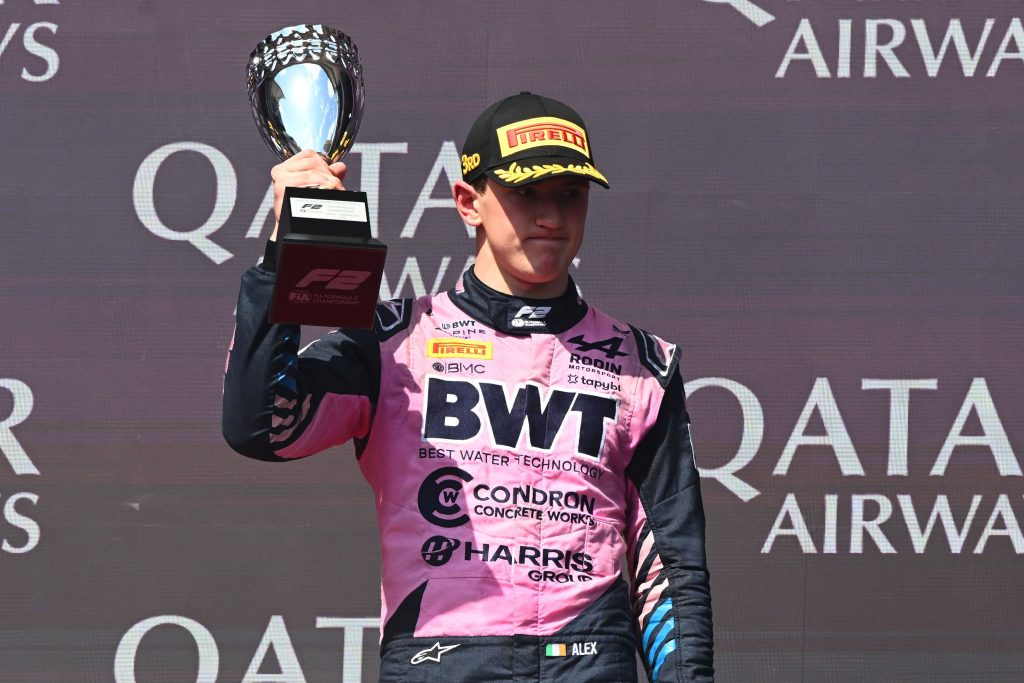
Alex Dunne is set to take part in an IndyCar evaluation with Dale Coyne Racing at Barber Motorsports Park in Alabama, as the American team continues its search for drivers for the 2027 season. The Irish Formula 2 contender has emerged as a candidate for one of the two available seats following Dennis Hauger’s decision to leave the organisation for AJ Foyt Racing.
Dunne’s involvement represents another development in an increasingly competitive IndyCar driver market. The 20-year-old is currently third in the Formula 2 championship, while Dale Coyne Racing remains the only established team with two regular seats still unconfirmed for next season. The test will provide an opportunity to evaluate how the Irishman adapts to IndyCar machinery as the team considers its options.
Alex Dunne enters Dale Coyne’s evaluation programme for IndyCar 2027
Dunne has emerged as one of the names attracting attention in IndyCar’s final phase of negotiations for the 2027 season.
The Irish driver finished fifth in Formula 2 in 2025 and has remained among the leading contenders during the current campaign, establishing himself as a promising prospect despite uncertainty surrounding his long-term single-seater future.
His potential move to IndyCar has become increasingly relevant because of the opportunities available at Dale Coyne Racing.
The team began 2026 with Hauger and Romain Grosjean, but its plans changed when the Norwegian agreed to join AJ Foyt Racing for 2027.
That departure created an opening in the #18 Honda, which Coyne had originally expected Hauger to continue driving.
According to RACER, Dunne is among the leading candidates for the #18 seat, although the organisation has not confirmed its preferred driver or announced an agreement.
The evaluation at Barber provides an opportunity to assess the Formula 2 driver’s suitability for the category before any final decision is made.
IndyCar’s current car presents a substantially different driving challenge from the machinery used in Formula 2.
The Dallara DW12 features a different aerodynamic package, hybrid power unit and Firestone tyres, requiring drivers arriving from European single-seater championships to adapt their braking technique, corner-entry approach and tyre management.
Although Dunne has experience competing on permanent road courses, IndyCar also requires drivers to compete on street circuits and ovals.
A successful evaluation would therefore represent an important first step rather than proof that the Irishman is ready for every aspect of the championship.
Dale Coyne searches for two drivers after Hauger’s surprise departure
Dale Coyne Racing’s driver situation changed significantly when Hauger agreed to join Foyt.
The Norwegian, who won the 2025 Indy NXT championship, had been expected to remain with Dale Coyne for another season following his rookie IndyCar campaign.
However, negotiations with Foyt resulted in his move to the #14 Chevrolet for 2027.
Team owner Dale Coyne subsequently acknowledged that he had not expected to lose Hauger, suggesting that communication between the parties could have been better.
The departure forced the organisation to reconsider its plans for both cars.
Coyne had originally envisaged retaining Hauger in the #18 while introducing another young driver alongside him.
The team has nevertheless maintained that it has several candidates available and intends to finalise the driver pairing after assessing its options.
Both the #18 and #19 Hondas remain central to the team’s recruitment process, with Dunne, Nikita Johnson and other drivers discussed as possible candidates.
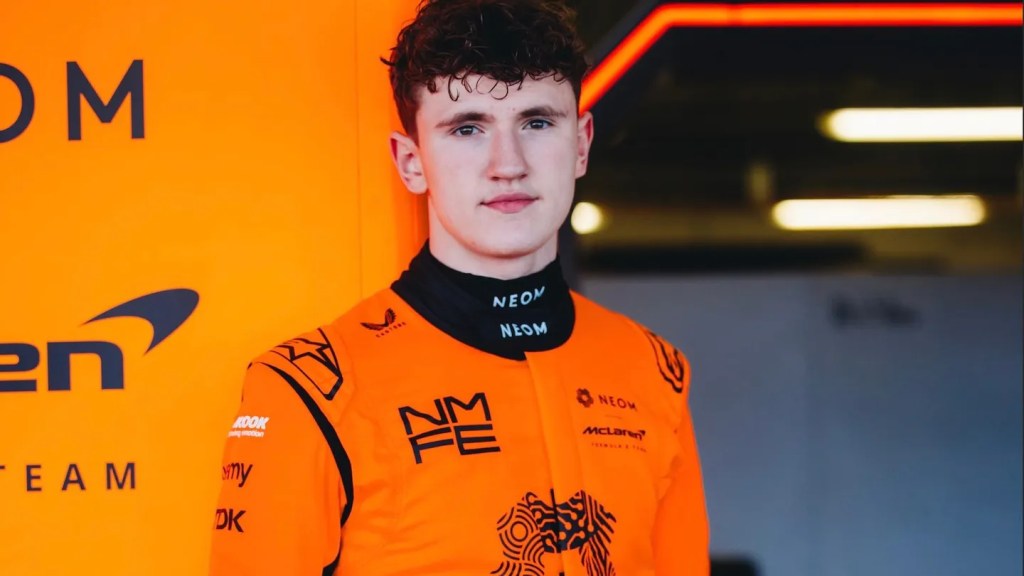
Johnson’s position is particularly relevant because the American won the 2026 Indy NXT championship, strengthening his case for promotion to IndyCar.
The 18-year-old has been widely linked with the #19, which Dale Coyne has frequently used to develop younger drivers.
That could leave Dunne competing for the #18, although neither seat has been formally assigned.
The team’s decision will also depend on financial and commercial considerations.
Unlike the championship’s largest organisations, Dale Coyne has frequently needed to balance driver performance, experience and funding when selecting its line-ups.
That creates an additional challenge for emerging drivers attempting to secure full-time opportunities.
Dunne’s Formula 2 performances strengthen his IndyCar candidacy
Dunne’s potential transition to IndyCar comes after two seasons in Formula 2, during which he has developed experience competing against some of the leading prospects in international single-seater racing.
The Irishman finished fifth in the 2025 championship, establishing himself among the category’s stronger performers.
He has continued challenging towards the front in 2026, entering the final two rounds in third place.
The Formula 2 championship is particularly relevant to IndyCar because both categories require drivers to manage relatively powerful single-seater machinery, adapt to different tyre conditions and compete on a wide range of circuits.
However, the transition is far from automatic.
IndyCar cars have different aerodynamic characteristics and use Firestone tyres rather than Pirelli, while the championship’s race distances and strategic demands also differ from those of Formula 2.
Drivers must additionally become familiar with American racing procedures and, depending on the calendar, obtain the experience required to compete safely on ovals.
Dunne’s Barber test will therefore be an evaluation of adaptability as much as outright speed.
For Dale Coyne Racing, the session offers an opportunity to analyse his technical feedback, consistency and ability to understand a new car during a limited amount of track time.
The team can then compare those findings with the experience and potential offered by other drivers under consideration.
Barber Motorsports Park offers demanding IndyCar test
Barber Motorsports Park, located near Birmingham, Alabama, is one of the most technically demanding permanent road courses on the IndyCar calendar.
The circuit measures approximately 2.3 miles (3.7km) and features 17 corners, combining elevation changes, medium-speed sections and narrow racing lines.
Its layout demands precise braking, strong directional changes and confidence through corners where mistakes can quickly compromise lap times.
Those characteristics make Barber a useful venue for evaluating drivers arriving from other single-seater categories.
Unlike a speedway oval, the Alabama circuit allows teams to analyse conventional road-course skills, including braking performance, cornering balance and the ability to maintain consistency over consecutive laps.
It also provides opportunities to assess how quickly a driver adapts to changes in car setup.
For Dunne, the test represents a chance to demonstrate that his Formula 2 experience can translate into competitive performance with an IndyCar.
However, lap times alone will not necessarily determine Dale Coyne’s decision.
Teams conducting evaluation sessions also consider feedback quality, adaptability and the driver’s ability to work with engineers.
Those factors become particularly important when assessing a potential rookie who will need to develop quickly throughout a full championship.
IndyCar driver market narrows ahead of 2027 season
Dunne’s evaluation comes as the remaining vacancies on the IndyCar grid become increasingly valuable.
Several major teams have already finalised their plans, while others are close to completing their line-ups.
Foyt has strengthened its programme by recruiting Hauger, while the situation at Dale Coyne has remained comparatively open.
The #18 and #19 seats are therefore among the most important remaining opportunities for drivers seeking a place in the 2027 championship.
Johnson has emerged as a candidate for the #19, while Dunne’s name has been linked particularly with the #18.
Elsewhere, Juncos Hollinger Racing has also been assessing its driver options, with Nolan Siegel and Callum Ilott among those discussed in the market.
The availability of seats remains significant for drivers arriving from European championships, but competition from established IndyCar competitors and leading Indy NXT graduates is substantial.
The situation also affects Brazilian drivers, including Caio Collet and Enzo Fittipaldi, who have been linked with opportunities as teams finalise their plans.
A Dunne agreement with Dale Coyne would therefore have consequences beyond the Irish driver’s career, potentially reducing the number of available positions for other candidates.
At present, however, an evaluation should not be interpreted as confirmation that the team has chosen Dunne.
The final decision remains open.
Formula 1 prospects also feature in IndyCar’s driver evaluations
Dunne is not the only driver with experience in the European single-seater ladder to attract attention from IndyCar teams.
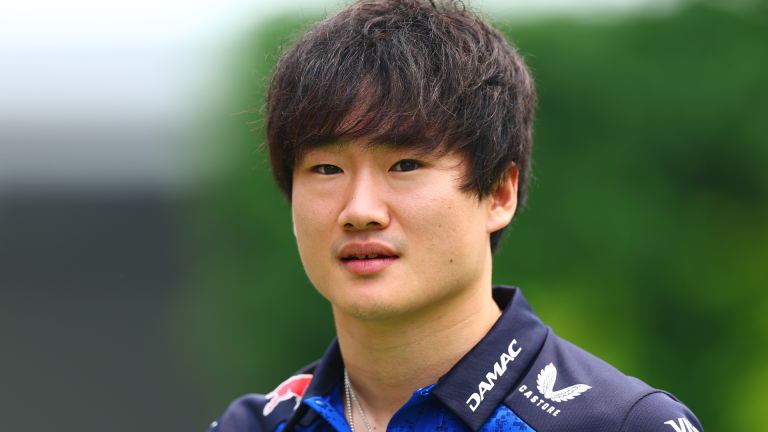
Meyer Shank Racing had considered an evaluation involving Yuki Tsunoda at Barber, but the Japanese driver decided to maintain his focus on opportunities in Formula 1.
The team could revisit that possibility later, although no new test date has been confirmed.
Arrow McLaren had also considered evaluating Formula 2 champion Leonardo Fornaroli, but the Italian’s commitments to McLaren’s World Endurance Championship programme affected the timing.
Those developments illustrate the growing interest among IndyCar organisations in drivers who have competed in Formula 2 or been associated with Formula 1 teams.
At the same time, the American championship continues developing its own talent pipeline through Indy NXT.
The combination creates a particularly competitive market for drivers without confirmed contracts for 2027.
For Dunne, a test with Dale Coyne offers a potentially valuable opportunity at a time when several other options are disappearing.
IndyCar prepares for 2027 before introducing new car in 2028
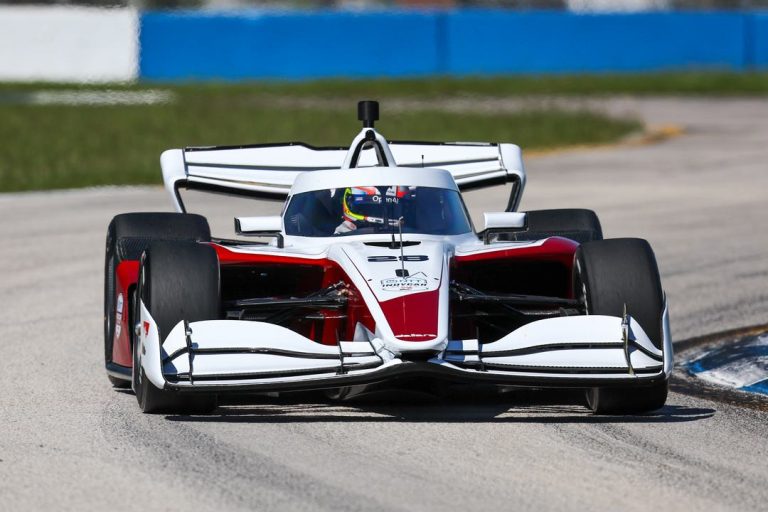
The 2027 season will also represent the final full championship before IndyCar introduces its next-generation Dallara IR-28 in 2028.
The new car is already undergoing development testing as the series prepares for a major technical transition.
As GRANDE PRÊMIO reported, Álex Palou and Alexander Rossi completed an important IR-28 evaluation programme at Sebring, allowing engineers to assess its behaviour on a demanding and uneven circuit.
The development programme underlines why teams will also need to consider longer-term technical continuity when selecting drivers.
A rookie joining in 2027 would have one season to gain experience with the current machinery before adapting to the new chassis.
For an organisation such as Dale Coyne, that creates both an opportunity and a challenge.
A talented young driver could become a valuable part of the team’s development programme, but the organisation would also need to provide enough support for the transition.
Dunne’s evaluation will be one of the steps in assessing whether he fits that longer-term approach.
The 2027 IndyCar season begins at St. Petersburg in March, with Barber scheduled to host its championship race on April 4.
GRANDE PRÊMIO is following the IndyCar driver market, the 2027 team line-ups and preparations for the new season, with breaking news and full coverage in its IndyCar section.