
News Summary
- Red Bull says its AI strategy system advised Verstappen to return a position to Lando Norris during the opening lap of the 2025 Italian Grand Prix.
- The recommendation went against the team’s initial assessment, but Red Bull followed it and Verstappen avoided a penalty before winning.
- Developed with Oracle, the AI agent now analyses regulations and race information, providing recommendations alongside the team’s human strategists.
Red Bull has revealed that an artificial intelligence system helped influence one of the decisive strategic calls during Max Verstappen’s victory at the 2025 Italian Grand Prix, recommending that the Dutchman return the lead to Lando Norris despite the team’s initial belief that he should keep the position.
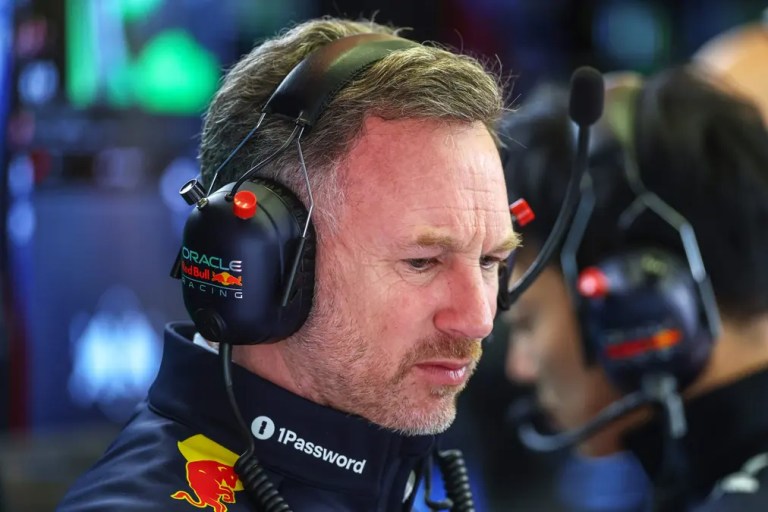
The disclosure came from Jack Harington, Red Bull’s head of technical and performance partnerships, during an interview with CNBC. Harington explained that the team has developed an AI-powered strategy agent with Oracle, transforming what began as a tool for searching Formula 1 regulations and previous stewarding decisions into a system capable of analysing race situations and recommending actions.
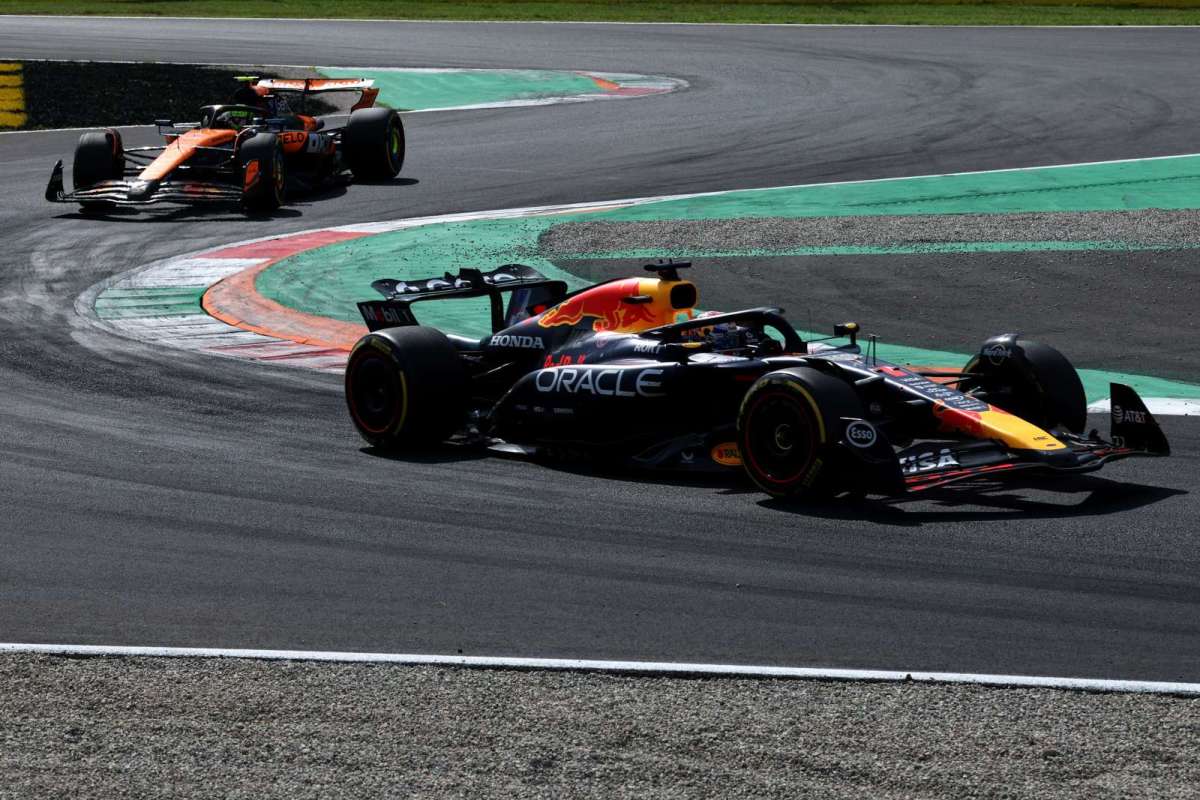
The technology was used during the opening lap at Monza in September 2025, when Verstappen went through the escape route at the first chicane while fighting Norris for the lead.
According to Harington, the AI recommended that Red Bull instruct Verstappen to surrender the position to avoid a potential penalty. The team followed the recommendation, and the four-time world champion subsequently retook the lead before winning the race by 19.2 seconds.
AI disagreed with Red Bull over Verstappen’s Monza incident
The incident occurred moments after the start of the Italian Grand Prix, with Verstappen and Norris fighting for position into Monza’s opening chicane.
Verstappen left the circuit while defending the lead, creating a situation in which the stewards could have considered whether he had gained a lasting advantage.
Red Bull initially believed the Dutchman could retain his position, but the AI system reached a different assessment after considering the regulations and comparable previous incidents.
Harington explained that the technology had evolved beyond simply retrieving information for engineers.
“It’s actually making decisions for us,” he said, describing how the system can recommend actions during a Grand Prix.
In the Monza example, the AI concluded that returning the position would reduce the risk of a penalty. Red Bull accepted that recommendation, instructing Verstappen to allow Norris through.
The Dutchman complied and subsequently overtook the McLaren again on track.
Verstappen went on to win by a comfortable margin, while Norris finished second. The race became an important example of how the team could use AI to support decisions made under intense time pressure.
However, the available evidence does not establish that a penalty would definitely have been imposed had Verstappen kept the position. The AI’s recommendation was a risk assessment rather than an official FIA ruling.
Red Bull develops AI agent with Oracle
Red Bull’s system has been developed through its technical partnership with Oracle, which was extended in February 2026.
The team confirmed at the time that the collaboration would include a new AI-powered strategy agent, designed to work alongside race engineers rather than replace them.
According to Red Bull’s official announcement, the system combines historical information with live race inputs, automates data collection and identifies relevant information more quickly.
Its original purpose was to help engineers search and interpret Formula 1 regulations and past stewarding decisions, reducing the time required to identify precedents during a race.
The technology has subsequently developed into a more sophisticated tool capable of suggesting actions based on the information available.
Harington emphasised that human expertise remains central to the process.
“Formula 1 is and will always be a human sport,” he said.
The distinction is important because race strategy involves decisions that cannot always be reduced to a mathematical calculation. Drivers must respond to changing grip conditions, traffic, tyre behaviour and incidents that may not have an exact historical precedent.
Red Bull’s engineers therefore remain responsible for evaluating recommendations and communicating instructions to the drivers.
Billions of simulations support Red Bull’s strategy
The AI agent operates within a wider technological infrastructure that Red Bull has developed with Oracle over several seasons.
The team uses cloud computing to run extensive simulations before and during Grand Prix weekends, examining possible race outcomes and strategic decisions.
The calculations include tyre degradation, pit-stop timing, weather conditions, safety-car probabilities and the relative performance of competing cars.
Red Bull has previously disclosed that it runs billions of Monte Carlo simulations during a race weekend, allowing strategists to compare different scenarios before committing to a decision.
The system has also become important for the team’s power-unit development programme.
Red Bull Ford Powertrains used Oracle Cloud Infrastructure to support the design and testing of its new hybrid engine, introduced at the beginning of the 2026 season.
As GRANDE PRÊMIO reported following Red Bull’s recent victories, the team has continued improving its power-unit performance through calibration and energy-management work without introducing a new homologated specification.
Those improvements have contributed to Verstappen’s recovery during the second half of 2026, although they are separate from the AI agent’s role in race strategy.
AI becomes part of Formula 1’s competitive battle
Red Bull is not the only Formula 1 organisation investing in artificial intelligence.
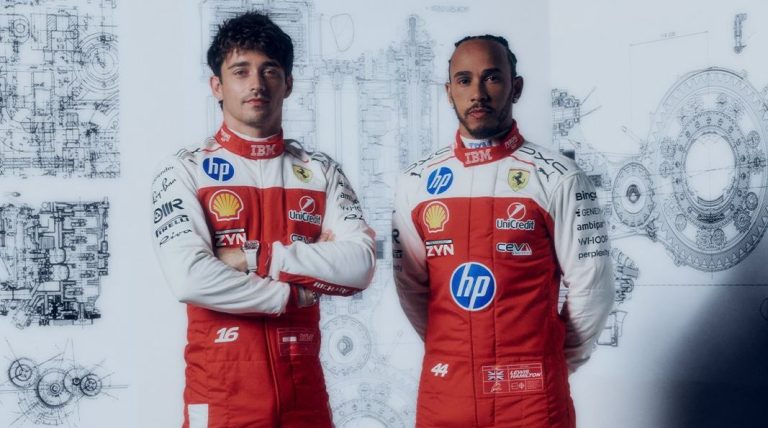
McLaren has established a partnership with Google, incorporating Gemini technology into selected team operations. Mercedes works with Microsoft, while Ferrari has collaborated with IBM on digital services and AI-powered fan experiences.
The FIA has also explored the potential use of machine learning to assist with sporting regulation enforcement and track-limits monitoring.
However, Red Bull’s Monza example offers a particularly clear illustration of how AI can influence a decision made during a live Grand Prix.
The technology did not independently instruct Verstappen or determine the outcome of the incident. Instead, it provided a recommendation that the team’s strategists considered and adopted.
Red Bull’s use of AI comes during a period of renewed competitiveness, with Verstappen securing consecutive victories in Malaysia and Singapore.
The team’s improvement since the summer break has transformed its position in the Constructors’ Championship, bringing it closer to McLaren ahead of the United States Grand Prix.
The championship resumes at Circuit of The Americas on October 23–25, where Verstappen will attempt to secure a third consecutive victory.