News Summary
- The FIA confirmed on Friday that the 2030 Formula 1 power-unit framework has received unanimous agreement from governing bodies, teams and engine manufacturers.
- The proposal centres on 2.1-litre turbocharged V8 engines using advanced sustainable fuels and reduced hybridisation, alongside lighter cars.
- The definitive regulatory framework will be submitted to the FIA World Motor Sport Council in Shanghai in December, with final approval still pending.
The FIA has formally confirmed that Formula 1’s governing bodies, teams and power-unit manufacturers have unanimously agreed on the technical framework for the return of V8 engines in 2030, marking a significant step towards replacing the current generation of hybrid V6 power units.
In a statement published on Friday (November 20), the federation announced that all parties had committed to a proposed 2.1-litre turbocharged V8, designed to operate with advanced sustainable fuels and a reduced hybrid system.
The agreement brings greater certainty to the championship’s technical direction after discussions earlier this week, when the FIA initially announced the proposed framework before removing its social media posts.
However, the unanimous agreement does not mean the regulations have received final approval. The FIA must still present the definitive framework to the World Motor Sport Council at its meeting in Shanghai in December.
FIA confirms 2.1-litre turbo V8 as the foundation for 2030
The new power-unit concept represents a major departure from the 1.6-litre turbocharged V6 architecture used in Formula 1 since 2014 and substantially revised under the 2026 regulations.
The FIA’s proposal retains turbocharging and selected geometrical characteristics while reducing the complexity of hybrid technology.
The governing body wants the engines to be lighter, simpler and considerably cheaper to develop and operate than the current power units.
The framework also includes advanced sustainable fuels, ensuring that Formula 1 maintains its commitment to sustainable technology despite reducing the electrical contribution.
The FIA has not yet announced the precise electrical output, battery specifications or detailed technical limitations of the proposed 2030 power units.
The changes are intended to extend beyond the engine itself. The federation also wants the new power units to be installed in lighter, more agile cars, designed to place greater emphasis on driver skill and close racing.
The objective is to reduce the constraints associated with increasingly complex energy-management systems and allow drivers to race more aggressively.
Ben Sulayem celebrates agreement and promises louder F1 engines
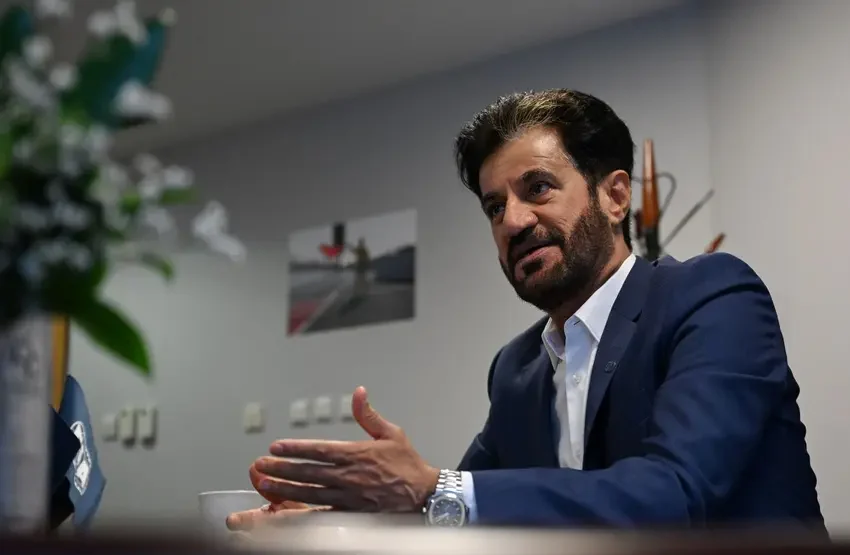
FIA president Mohammed Ben Sulayem welcomed the unanimous agreement, highlighting the opportunity to reconnect Formula 1 with the characteristics of previous engine generations.
“This agreement marks a significant milestone in shaping the future of Formula 1. From the outset I have been clear in my ambition to deliver a sport that is more competitive and more exciting for our fans, while remaining at the forefront of innovation and sustainability,” he said.
“The return of V8 engines represents an opportunity to reconnect with the DNA of this Championship, bringing back the sound, emotion and pure racing that is loved worldwide. Our vision is clear, lighter, simpler and more affordable cars that put driver skill at the heart of the competition.”
Ben Sulayem also thanked Formula 1, the teams and manufacturers for reaching a common position.
“I want to thank all involved for their collaboration. This is an important step forward, and demonstrates what we can achieve when we work together to deliver the best possible future for our sport.”
Unanimous agreement follows confusion over FIA announcement
The latest statement provides an official confirmation of the consensus previously discussed by Formula 1 team representatives during the Las Vegas Grand Prix.
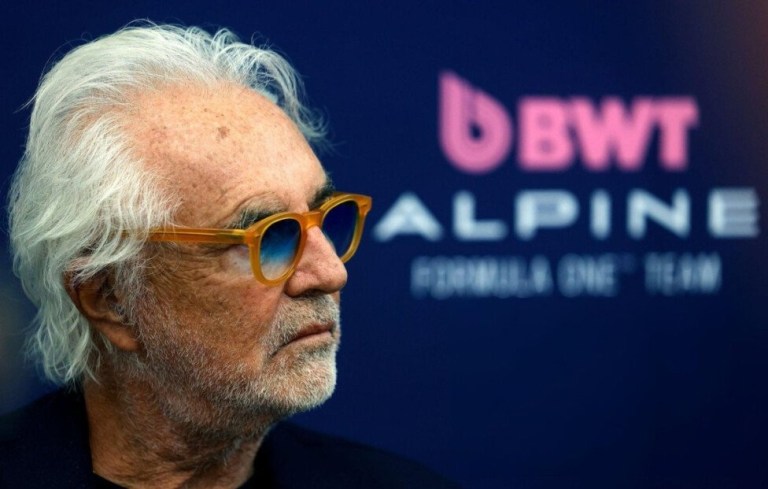
On Thursday, McLaren CEO Zak Brown and Alpine executive Flavio Briatore acknowledged that the championship had reached an agreement in principle to introduce V8 engines in 2030.
“There is an agreement in principle. I think everyone is very excited. I think now it’s about dotting the i’s and crossing the t’s,” Brown said.
Briatore also supported the proposed return to a simpler engine formula, arguing that Formula 1 should prioritise louder engines and a more engaging experience for spectators.
Their comments followed uncertainty created by the FIA’s decision to delete earlier social media posts announcing the proposed agreement.
As GRANDE PRÊMIO reported when the posts were removed, questions remained over whether manufacturers had fully accepted the technical direction and the timing of the announcement.
Friday’s official statement confirms unanimous agreement on the framework, although detailed regulations and final homologation requirements remain to be established.
FIA sets December deadline for definitive V8 regulations
The next step will be the FIA World Motor Sport Council meeting in Shanghai, where the governing body intends to present the definitive 2030 regulatory framework.
The proposed change would end the current power-unit regulations after four seasons, from 2026 through 2029.
Manufacturers will need the final requirements to determine their development programmes, including the precise hybrid configuration, component limitations and overall technical architecture.
The agreement also raises important questions about investment already committed to the current generation of Formula 1 engines, particularly by manufacturers that entered the championship under the 2026 regulations.
Those details will be central to the next stage of discussions.
The federation emphasised that all regulatory changes remain subject to World Motor Sport Council approval.
GRANDE PRÊMIO is following developments surrounding Formula 1’s 2030 regulations and the latest news from Formula 1.
FAQ
Has Formula 1 officially approved V8 engines for 2030?
The FIA has confirmed unanimous agreement on the proposed 2030 technical framework, but the definitive regulations still require approval from the World Motor Sport Council.
What engines will Formula 1 use from 2030?
The proposed regulations centre on 2.1-litre turbocharged V8 engines using advanced sustainable fuels and reduced hybridisation. Detailed technical specifications have not yet been finalised.
When will the 2030 F1 engine regulations be approved?
The FIA plans to present the definitive framework to the World Motor Sport Council in Shanghai in December 2026. Final approval remains subject to that process.