News Summary
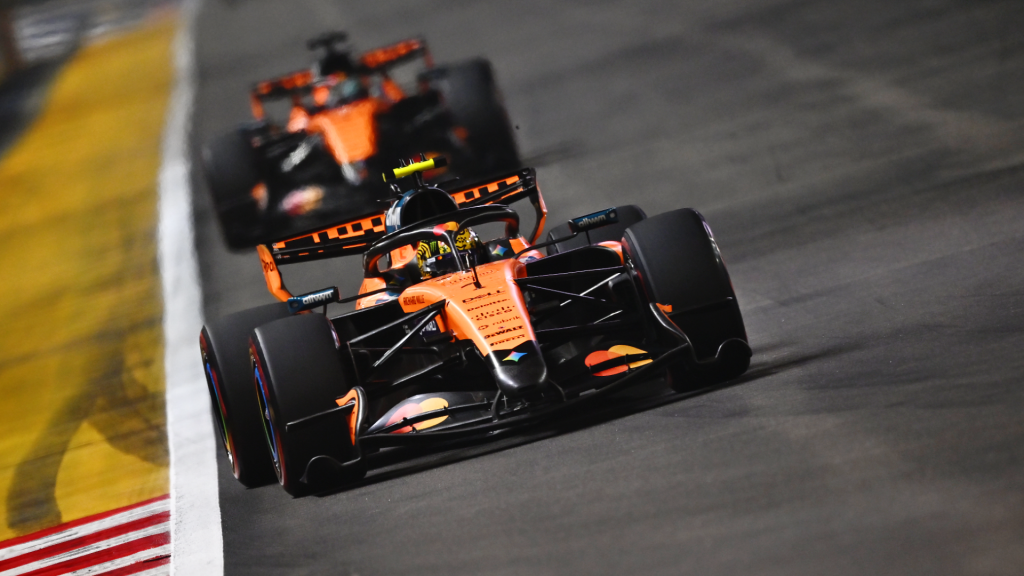
- McLaren cannot fully resolve the MCL40’s difficult handling before 2027, according to team principal Andrea Stella.
- Oscar Piastri has struggled particularly with the car’s characteristics, which demand a more aggressive driving approach than his naturally smooth style.
- The aerodynamic upgrades planned for Austin may improve performance, but the underlying handling problem requires more fundamental changes.
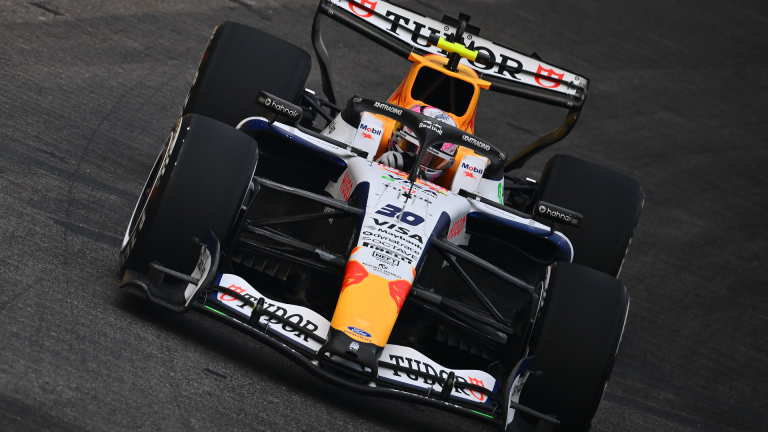
McLaren team principal Andrea Stella has acknowledged that the team’s fundamental Formula 1 handling problems cannot be completely resolved before the introduction of its 2027 car, despite new aerodynamic upgrades scheduled to arrive at the United States Grand Prix.
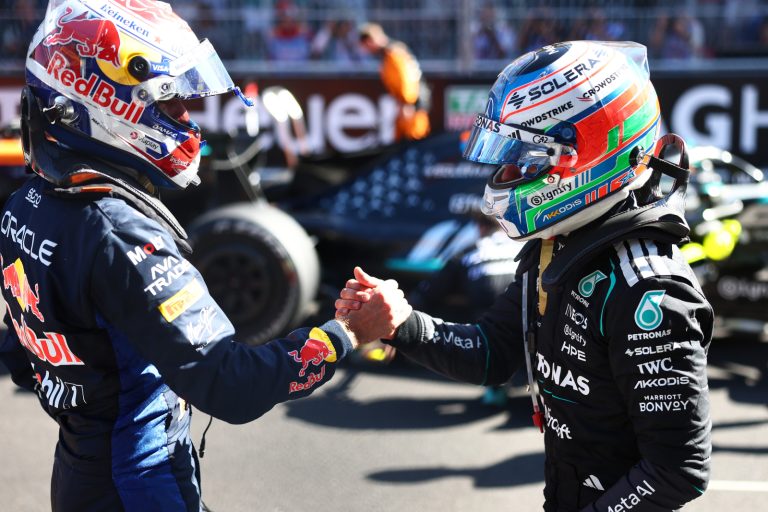
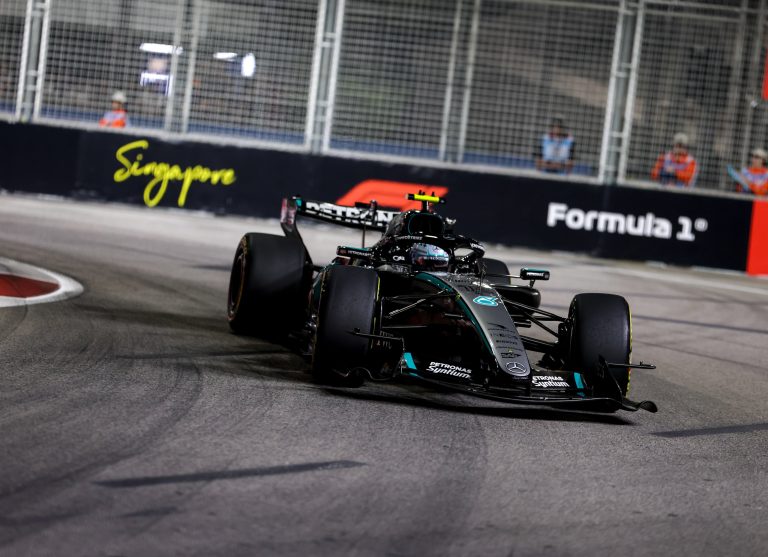
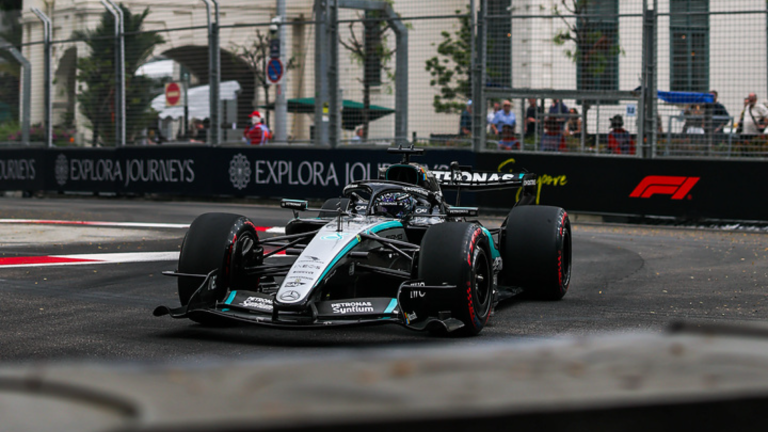
The admission comes after another difficult weekend in Singapore, where Lando Norris and Oscar Piastri finished fourth and fifth but were unable to challenge Max Verstappen’s Red Bull for victory.
Both drivers have struggled throughout the season with the MCL40’s demanding behaviour, which requires them to adapt their natural driving techniques to extract competitive lap times.
The problem has been particularly difficult for Piastri, whose smoother driving style has proved less compatible with the car’s characteristics.
Speaking after the Singapore Grand Prix, Stella explained that the updates arriving during the remaining races will not address the underlying handling issue.
“I don’t expect that what’s coming to the car will improve this characteristic,” Stella said. “I think we need something more fundamental than simply adding some downforce to the car like it’s happening in the coming races.”
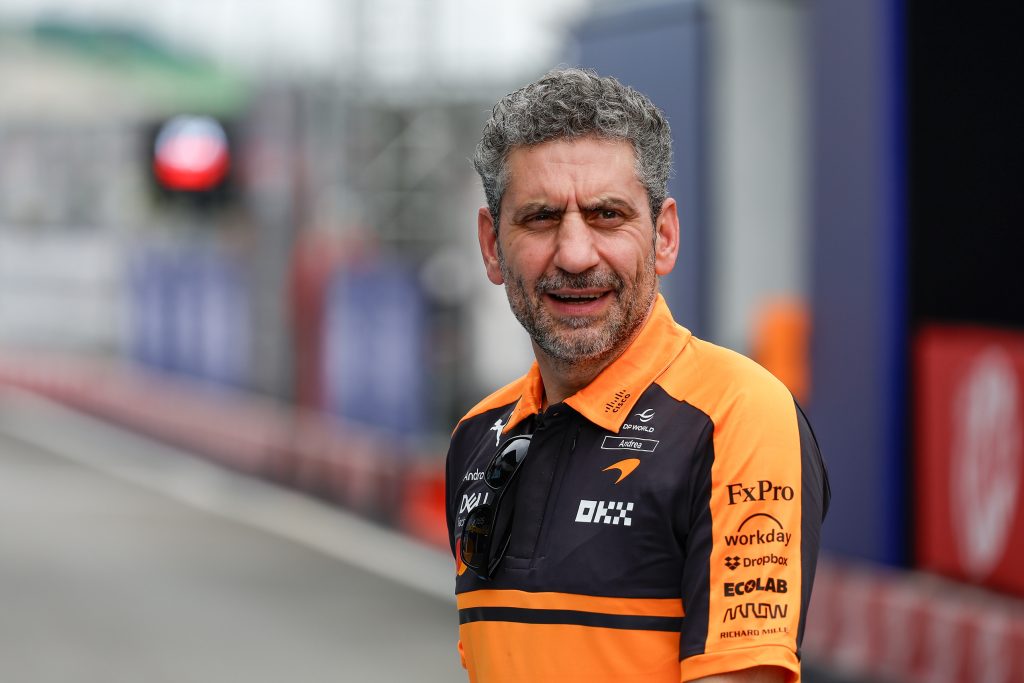
Stella says McLaren must wait for the MCL41
The McLaren team principal indicated that resolving the handling problem would require changes beyond the aerodynamic components currently being developed for the MCL40.
Those changes are being considered as part of the design of next year’s car.
“Without fundamentally changing some further aspect which we are addressing longer term and at the earliest I would say with the MCL41 for 2027,” Stella explained.
The distinction is important because McLaren has already confirmed that it will introduce new developments at Austin, with additional upgrades planned during the final rounds.
Those components are expected to increase aerodynamic performance and help the team challenge its leading rivals more consistently.
However, additional downforce alone will not eliminate the driving characteristics that have troubled Norris and Piastri throughout 2026.
The team’s engineers are therefore working on two separate objectives: improving the current car’s performance and addressing its fundamental behaviour through the 2027 design.
Norris says McLaren is on a knife edge in every corner
Norris offered a particularly revealing assessment of the MCL40 after the Singapore Grand Prix.
The British driver explained that the car demands constant corrections and a driving technique that feels unnatural compared with previous McLaren machinery.
“It’s just on a knife edge on every single corner,” Norris said.
He explained that the driver must actively force the car into the desired behaviour rather than relying on its natural balance.
“You can’t let the car do any work. You can’t just let the front do the work, or the rear do the work. You have to force the front; you’ve got to force the rear.”
The demands have made qualifying particularly difficult, as small errors can compromise an entire lap.
Norris also described the experience as mentally exhausting because of the concentration required to maintain the car within its narrow operating limits.
The difficulty has become more apparent as McLaren has fallen behind Mercedes, Ferrari and Red Bull in the competitive order.

Why Piastri has suffered more than Norris
Although both drivers have struggled, Piastri’s naturally smooth driving style has made adapting to the MCL40 especially challenging.
The Australian typically relies on precise steering inputs and a controlled approach to corner entry, allowing the car to maintain momentum without excessive corrections.
The 2026 McLaren requires a different technique.
According to Stella, drivers must use more aggressive inputs and actively manipulate the car’s balance to extract performance.
That has forced Piastri to change aspects of the driving style that previously helped him achieve success.
Earlier in the season, Stella suggested that the Australian had been almost too smooth for the demands of the new-generation Formula 1 cars.
The situation has been complicated by the increased importance of electrical energy management under the 2026 regulations, which has required all drivers to adapt their braking and acceleration techniques.
For Piastri, the combination of unfamiliar power-unit characteristics and the MCL40’s demanding handling has created an additional obstacle.
Austin upgrades will not solve McLaren’s main weakness
McLaren has already confirmed that it will introduce aerodynamic developments from the United States Grand Prix, with further components expected during the final rounds.
The programme is intended to reduce the performance gap to the leading teams and help McLaren defend its position in the Constructors’ Championship.
However, Stella’s latest comments establish an important limitation.
The upgrades may make the MCL40 faster without making it fundamentally easier to drive.
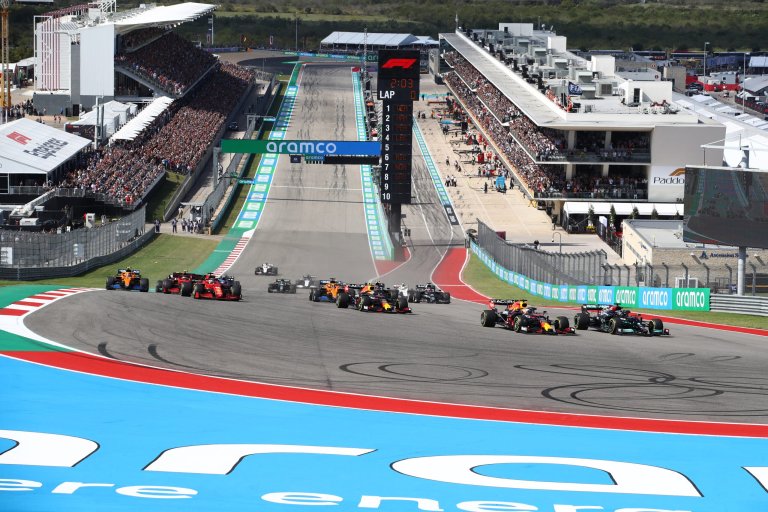
That distinction could be particularly relevant at the Circuit of The Americas, where high-speed direction changes, heavy braking zones and technical corners place significant demands on vehicle balance.
McLaren will therefore need to improve performance while continuing to manage the characteristics that have affected its drivers throughout the season.
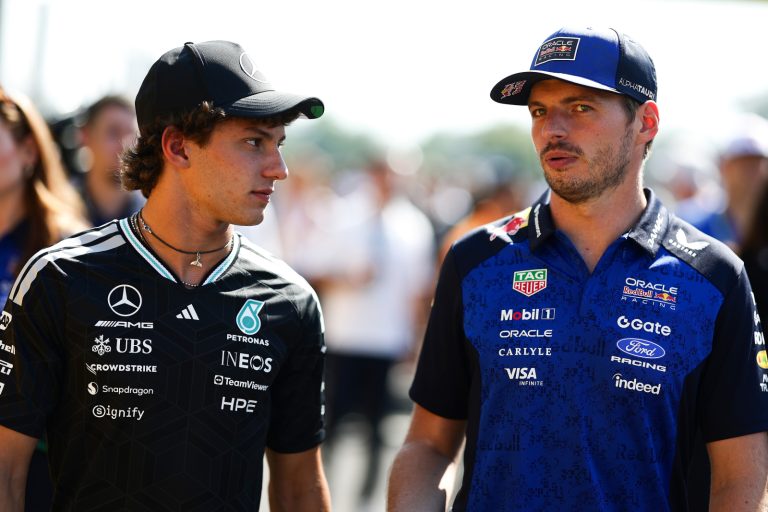
The team is also under pressure from Red Bull, which has won consecutive grands prix with Verstappen and moved within seven points in the Constructors’ Championship.
As GRANDE PRÊMIO examined in its analysis of McLaren’s decline, the British team has struggled to maintain the development pace of its main rivals.
The team’s Austin upgrade programme and the battle against Red Bull will remain central to its preparations for the final six rounds.
McLaren’s 2027 development takes on greater importance
The MCL41 will be McLaren’s second car under the regulations introduced in 2026, giving the team an opportunity to address problems that have become apparent during the first season of the new technical era.
The changes could involve aspects of the car’s overall concept that cannot be revised economically or practically during the current campaign.
McLaren has not publicly identified the exact components or design decisions responsible for the handling problem.
Technical director Neil Houldey previously indicated that the team was considering changes to the wheelbase and suspension layout for 2027, alongside further aerodynamic development.
The team has also emphasised that lessons learned from the MCL40 will remain relevant to the next car.
For Piastri and Norris, the 2027 project represents an opportunity to regain a more predictable driving platform after a season spent adapting to the MCL40’s demanding characteristics.
McLaren’s next competitive appearance will be the United States Grand Prix at Austin on October 23–25, where the first of its remaining aerodynamic developments is expected to arrive.
The full United States GP schedule and international start times are available on GRANDE PRÊMIO.