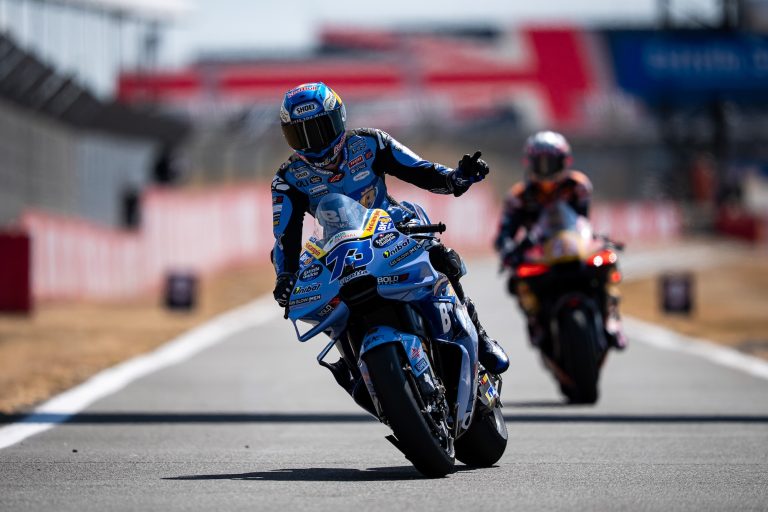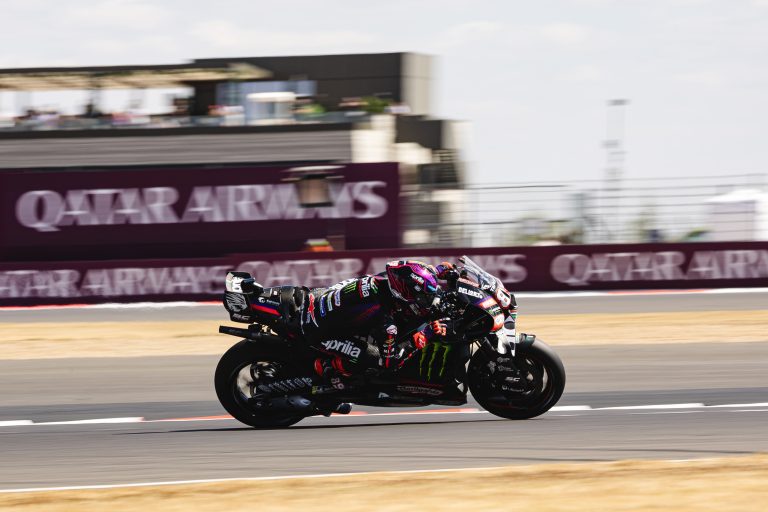
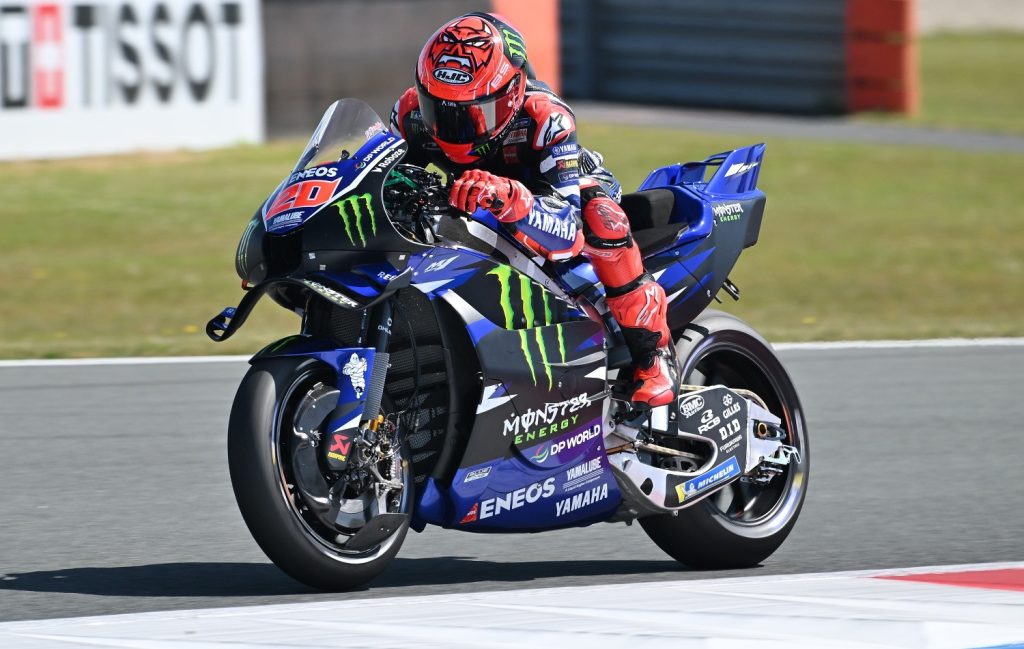
Yamaha delivered no surprises during the opening half of the 2026 MotoGP season. Running an all-new machinery, the Iwata brand suffered from a clear lack of performance—precisely as predicted.
At the end of last year, under pressure from a prolonged drought in results, the Japanese manufacturer made the momentous decision to break with tradition, abandoning its long-standing inline-four cylinder engine layout to join the competition with a V4 powerplant. The shift aimed to field a more competitive prototype, but it was clear from day one that the road ahead would be arduous, as transitioning to a V4 architecture required a complete ground-up redesign of the entire bike.
The drawback is that the drastic change didn’t immediately grant Yamaha the best engine on the grid, but it did strip away historically strong traits of the YZR-M1—characteristics that were still evident last season when Fabio Quartararo secured pole positions and flirted with race wins before being sidelined by reliability woes.
Trailing its rivals—particularly the European manufacturers—Yamaha did what it had to do: it overhauled the entire project. However, those expecting instant performance were overly optimistic. As MotoGP closes out the 1,000cc era in 2026, most factories are fielding bikes refined through years of continuous evolution. The house of the three tuning forks, by contrast, put a brand-new concept on the track—a prototype still in the infancy of its development cycle.
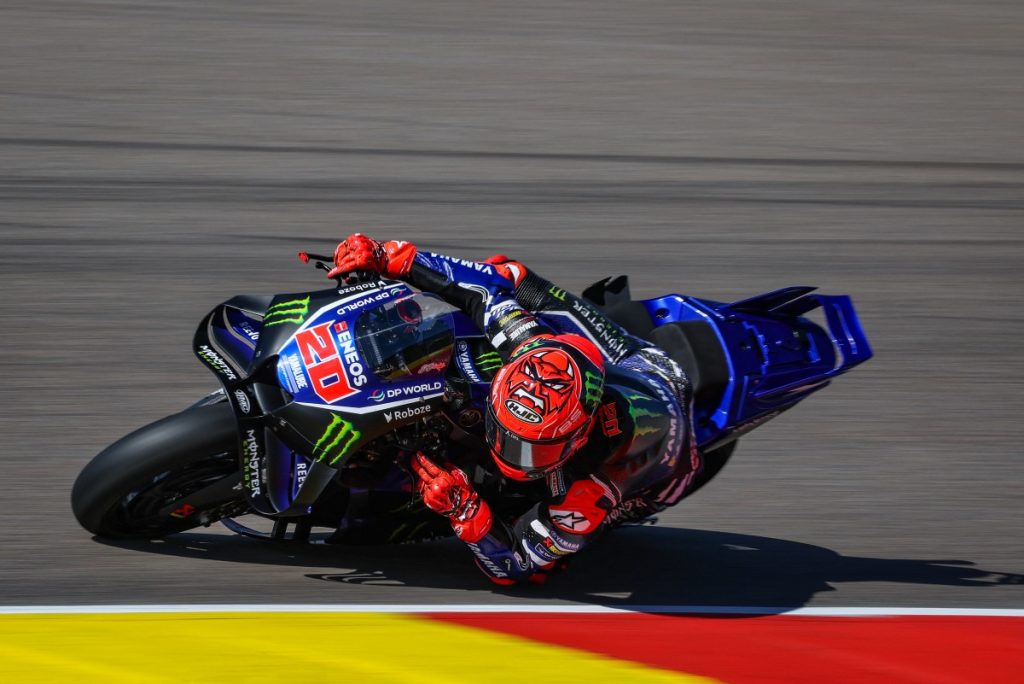
It would be inaccurate to say that current performance alone triggered the split with Fabio Quartararo, particularly since negotiations and rumors linking the Frenchman to Honda surfaced well before he even turned a wheel on the new M1. Yet “El Diablo” had dropped plenty of hints, making it clear that without a seismic jump in competitiveness, a contract extension was off the table.
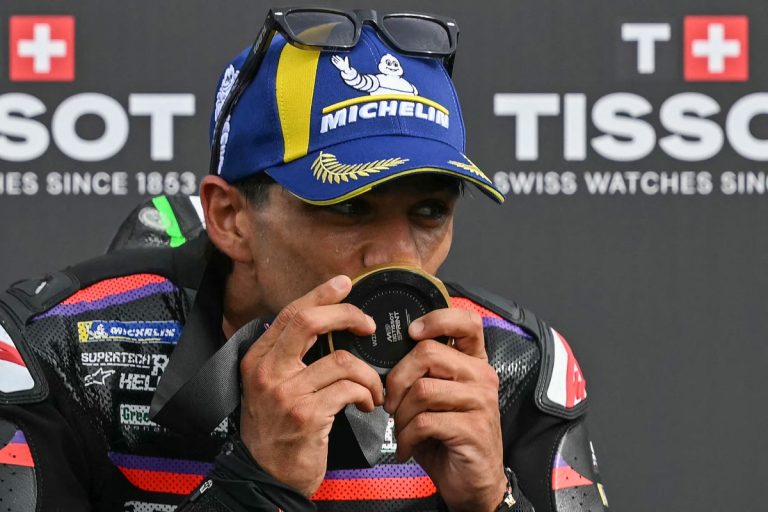
Silver linings notwithstanding, the first half of 2026 brought a crucial silver lining for Yamaha. While losing Quartararo—the rider who carried the squad on his back in recent years—the team managed to secure strong replacements to fill the void. In Jorge Martín and Ai Ogura, the Iwata factory has assembled a formidable rider lineup capable of mitigating the impact of Fabio’s departure.
Now, with 11 rounds still remaining on the calendar, Yamaha must throw everything into learning, testing solutions, and identifying concepts that can be carried over to their 2027 machine. There is little left to salvage in terms of 2026 championship standings, but the current campaign could serve as the foundational building block for the Japanese brand to reclaim its place at the top of MotoGP.
MotoGP is currently on its summer break and will return to action from August 7 to 9 with the British Grand Prix, the 12th round of the 2026 season.