News Summary
- Malaysia is evaluating a permanent return to the Formula 1 calendar, either annually or through an alternative hosting arrangement.
- The 2026 Bahrain Grand Prix at Sepang attracted approximately 261,000 spectators and was projected to generate RM950 million in economic activity.
- A government committee is expected to submit its assessment to the cabinet by November, before any decision on a new hosting agreement.
Malaysia has taken another step towards a permanent Formula 1 comeback, with the government confirming that it is assessing the financial viability of restoring Sepang International Circuit to the championship calendar following the success of the 2026 Bahrain Grand Prix.
Youth and Sports Minister Mohammed Taufiq Johari told the Malaysian parliament on Thursday, October 15, that the government is examining whether the economic benefits of hosting Formula 1 would justify the substantial long-term costs involved.
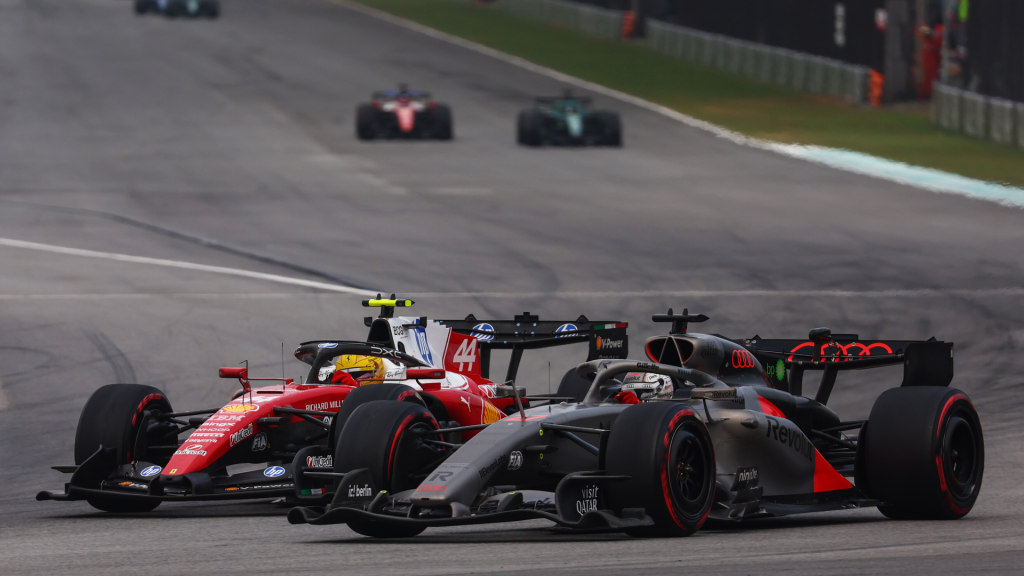
The announcement follows the championship’s return to Sepang on October 2–4, when the circuit hosted the relocated Bahrain Grand Prix — its first Formula 1 race since 2017.
According to government figures, the three-day event attracted approximately 261,000 spectators, including an estimated 103,000 on race day. Authorities have also cited projected economic returns of RM950 million, strengthening the case for further discussions with Formula 1.
However, Malaysia has not yet committed to an annual Grand Prix, and officials are considering alternative arrangements that could reduce the financial burden.
Sepang’s success revives Malaysia’s Formula 1 ambitions
The return of Formula 1 to Sepang was originally conceived as an exceptional arrangement rather than the restoration of the Malaysian Grand Prix.
The Bahrain round had been unable to take place at its traditional venue in Sakhir because of security concerns affecting the Middle East. Formula 1 subsequently reached an agreement to stage the event in Malaysia while retaining Bahrain’s official race identity.
As GRANDE PRÊMIO explained before the event, the arrangement allowed Sepang to return to the championship after a nine-year absence without creating a separate Malaysian Grand Prix.
The race ultimately provided an opportunity to assess both the circuit’s ability to host modern Formula 1 and the public demand for a permanent return.
The difference in attendance was particularly striking. Malaysian officials said the country’s final Formula 1 event in 2017 had sold approximately 30,000 tickets, compared with nearly 100,000 tickets for the 2026 comeback.
The figures have reinforced the government’s interest in exploring a new agreement, although officials have stressed that a one-off event does not necessarily demonstrate the economic viability of an annual Grand Prix.

Government weighs major hosting costs
The financial question remains the central obstacle.
Malaysia withdrew from Formula 1 after the 2017 season partly because the cost of hosting the championship was considered too high relative to the benefits.
Previous government estimates indicated that restoring an annual race could require approximately RM300 million per year in hosting fees, with multi-year agreements potentially involving commitments of up to RM1.5 billion.
That financial burden must be assessed against tourism, commercial activity, international exposure and the wider economic impact of the event.
Mohammed Taufiq said the government must also ensure that spending on Formula 1 would not compromise investment in other sports or athlete development programmes.
One possibility under consideration is a race held once every few years, potentially through an arrangement involving another country. Such a model remains at an early stage, and no agreement has been announced.
A government evaluation committee involving several ministries and the chief secretary to the government is reviewing the proposal. Its findings are expected to reach the cabinet by November.
Anwar Ibrahim confirms talks with Formula 1
Prime Minister Anwar Ibrahim had already opened the door to a longer-term return during the Sepang weekend, when he met Formula 1 president and CEO Stefano Domenicali.
Asked by Sky Sports F1 commentator Martin Brundle about Malaysia’s prospects of returning permanently, Anwar said: “Well, I’m looking forward to it. We are discussing.”
The prime minister subsequently confirmed that the government had begun exploring the possibility of restoring the Malaysian Grand Prix, while warning that negotiations would require time.
The main challenge is not simply Malaysia’s willingness to host another race. Formula 1 already has a crowded international calendar, with existing contractual commitments limiting the number of available positions.
FIA president Mohammed Ben Sulayem has also emphasised the importance of a sustainable long-term business plan, indicating that any proposal would need to demonstrate financial viability rather than rely exclusively on the enthusiasm generated by the 2026 event.
Verstappen’s Sepang victory adds sporting significance
The 2026 race also produced one of the most important results of Red Bull’s season.
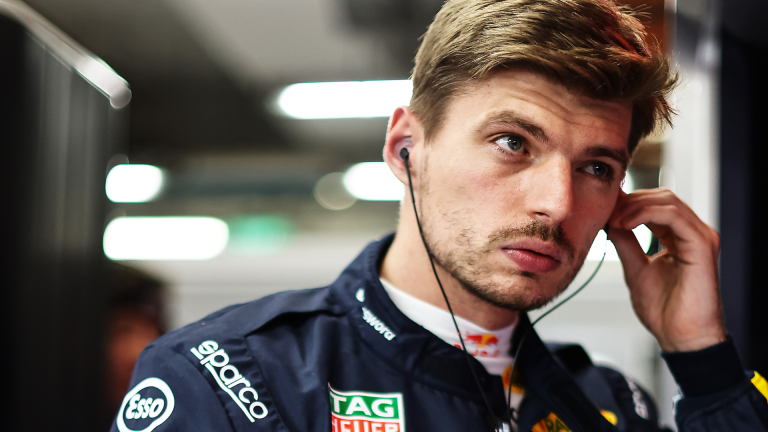
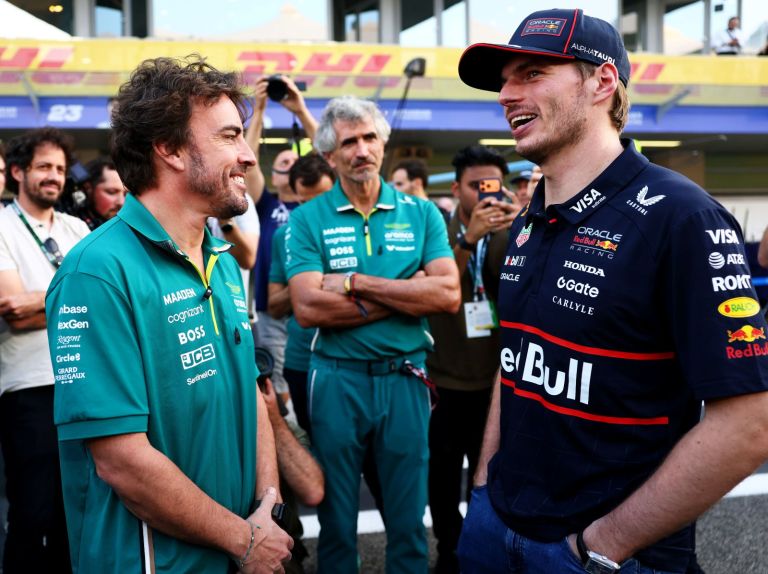
Max Verstappen secured victory at Sepang, ending his winless run and demonstrating the progress made by the team’s latest development package. The result proved especially significant when he followed it with another dominant victory in Singapore one week later.
For Sepang, the race marked a reunion with the driver who had also won the final Malaysian Grand Prix in 2017.
The circuit itself remains one of Formula 1’s established modern venues. Opened in 1999, it combines long straights, high-speed corners, heavy braking zones and demanding tropical conditions.

GRANDE PRÊMIO’s comparison of Sepang’s 2017 and 2026 Formula 1 appearances detailed how changes in car dimensions, aerodynamics and energy management altered the challenge facing teams returning to Malaysia.
The successful organisation of the Bahrain Grand Prix demonstrated that the venue could still accommodate Formula 1, but a permanent agreement would require separate commercial and political approval.
The government has not announced a proposed year for the Malaysian Grand Prix’s return, and Formula 1 has not confirmed that a calendar position is available.
For now, the next formal step is the completion of the government’s financial and economic assessment, expected to be presented to the cabinet by November.
GRANDE PRÊMIO continues to follow the developments surrounding Formula 1’s international calendar, including the 2026 United States Grand Prix on October 23–25, through its Formula 1 coverage.