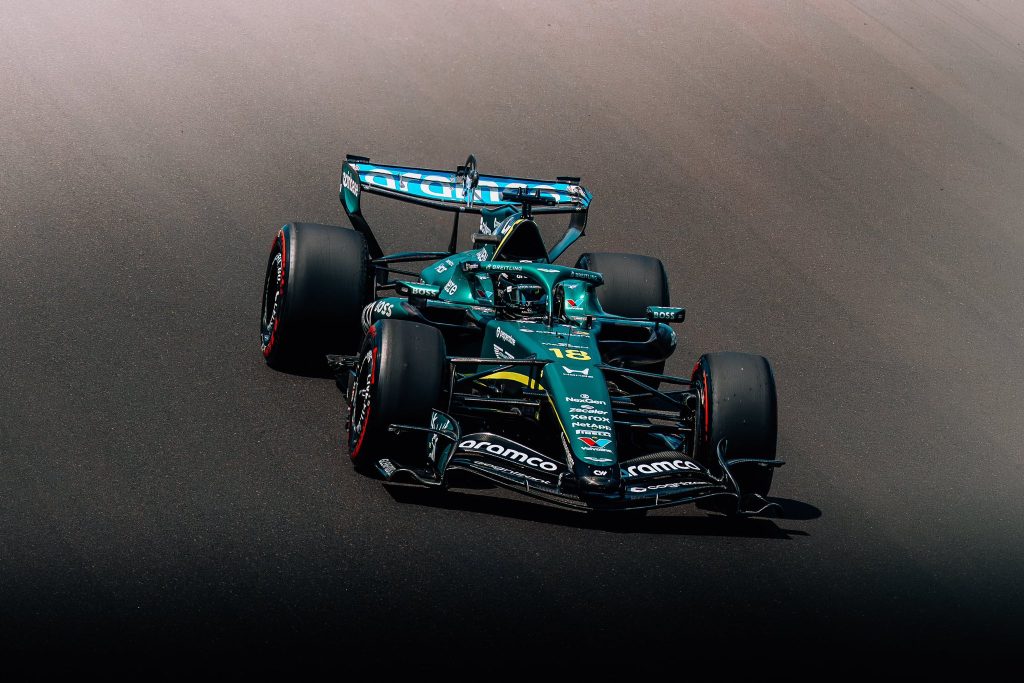
Honda has revealed it was fully aware, even before the start of the 2026 Formula 1 season, that the power unit project developed for Aston Martin would not be competitive. The Japanese manufacturer admitted it anticipated difficulties, but conceded that the true severity of the situation only became clear in January, when performance and reliability concerns collided simultaneously.
Speaking to the Australian edition of Motorsport.com, Honda’s trackside manager and chief engineer, Shintaro Orihara, explained that the team took time to comprehend the depth of the crisis. According to the executive, the power unit suffered from performance fluctuations, while speed gains frequently compromised reliability—a scenario that directly impacted Aston Martin’s on-track form.
“Our position wasn’t so bad at the end of last year, as performance and drivability were still in development, but they seemed to be heading in the right direction. However, in January we realized that performance was fluctuating significantly. Whenever we managed to gain performance, reliability issues emerged,” he stated.
Orihara disclosed that the initial pre-season testing in Barcelona confirmed the situation was far more concerning than Honda had originally envisioned. On top of a performance deficit compared to rival manufacturers, the engine supplier also uncovered faults within the battery system.
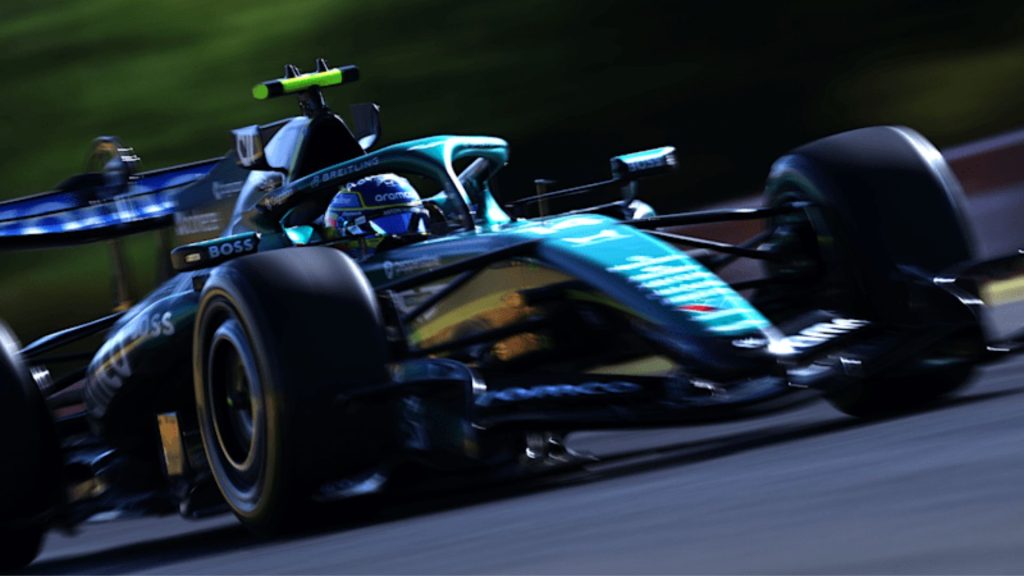
“In January, we realized that our performance and reliability would not be competitive. When we began pre-season testing in Barcelona, we saw that we were clearly behind the other manufacturers. Furthermore, we encountered a few issues with the battery. It was at that moment we understood we were not in a good position. We already knew at the end of last year that we were not competitive, but we didn’t expect the situation to be this bad,” he explained.
The engineer also emphasized that the struggles could not be attributed to a single root cause, but rather to the complexity of the technical regulations introduced for 2026, which brought sweeping changes across virtually every area of the car.
“Under these regulations, there were profound changes across all aspects. Therefore, one of the biggest challenges for Honda was precisely dealing with the combination of so many changes happening at the same time,” he concluded.
Formula 1 is currently on summer break. The series resumes 2026 season action from August 21 to 23 with the Dutch Grand Prix at Zandvoort.