Summary
- Vowles says the top four teams now score 83% of championship points, compared with a share in the 70s before the cost cap.
- He credits the limit with improving financial stability but questions its competitive effect.
- His proposed solution is additional spending linked to championship results, rather than abandoning the cap.
James Vowles has warned that Formula 1 has a two-tier championship, arguing that the cost cap restricts teams trying to overcome years of underinvestment. Speaking at Friday’s press conference at Sepang, the Williams boss distinguished the regulation’s financial success from its sporting impact.
“We have a two-tier championship,” Vowles said.
He cited a top-four share of 83% of championship points, up from a percentage in the 70s before the cap. Those figures are Vowles’ assessment; the calculation period and methodology were not independently established here.
Why the same spending limit can create different pressures
Vowles explained that Williams must spend substantial sums on basic systems and infrastructure. Better-equipped teams can direct more of their available budget towards car performance.
His argument concerns what each team needs to buy before it can compete effectively. An identical spending ceiling does not necessarily produce identical development opportunities when factories, equipment and working processes begin at different levels.
For a team rebuilding its foundations, investing in an immediate upgrade can compete with spending intended to improve future development. That creates a difficult choice between today’s results and tomorrow’s capability.
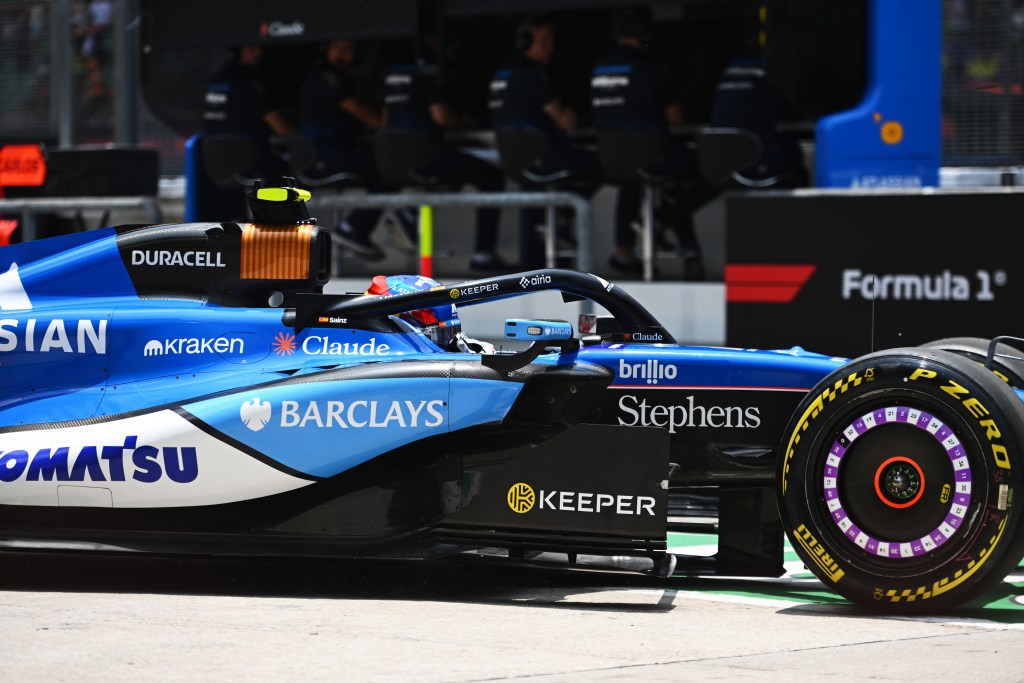
Williams’ current programme illustrates that tension. Its Baku upgrade and the challenge of transferring its performance to Sepang form part of a wider effort to improve the car while preparing for subsequent seasons.
Vowles wants reform, not the removal of the cap
Vowles credited the regulation with delivering financial stability. His criticism was directed at its ability to close the competitive gap.
“The solution isn’t to take cost cap away,” he said.
He proposed a transparent spending adjustment linked to championship points or position, designed to help teams converge over time. The proposal remains an idea, rather than an agreed regulatory change.
The distinction matters: removing the cap would reopen unrestricted spending, while a results-linked allowance would retain a limit but change how it is distributed. Its effectiveness would depend on the amount permitted and the rules governing its use.
What would a revised system need to address?
Any reform would need to distinguish structural disadvantages from a team simply having a poor season. Additional spending would also take time to translate into better facilities, development tools and performance.
A larger allowance alone would not guarantee success. Teams would still need to spend effectively, while the championship would need a mechanism that supports competition without automatically cancelling the advantage earned by better work.
Formula 1 continues this weekend, from 2–4 October, in Malaysia, which hosts the Bahrain Grand Prix. GRANDE PRÊMIO will cover all the action at Sepang.
Frequently asked questions
Why does Vowles call F1 a two-tier championship?
He argues that established teams can devote more of their capped spending to performance, while rebuilding teams must also fund essential infrastructure.